Perhaps no restaurant in the gastronomical heaven of Copenhagen has as much buzz as Alchemist at the moment. The chef-owner Rasmus Munk believes in the idea of holistic cuisine that redefines dining through multi-sensory experience and fusing diverse elements from philosophy, sustainability, technology and arts, and ever since its opening Alchemist has received almost unparalleled level of praise and attention for its innovative approach to fine dining. For our Copenhagen trip, I very much wanted to check out what Alchemist had to offer and was lucky to secure a reservation for my wife Jun and me. After opening a giant metal door (which almost reminded me of entering some fantasy world of dragons and fairies) of an industrial building, we were led to a dark room with dazzling lights where a female dancer started performing in front of us before handing us a thinly sliced black seaweed-based snack. Our dining experience got even more surreal thereafter.

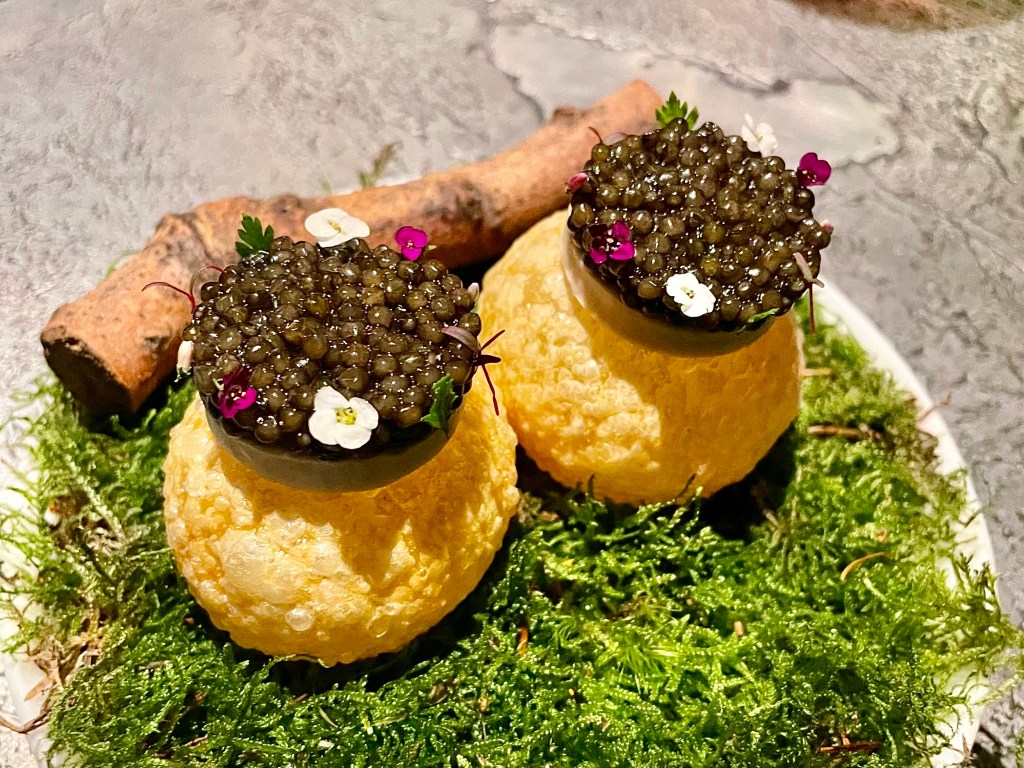
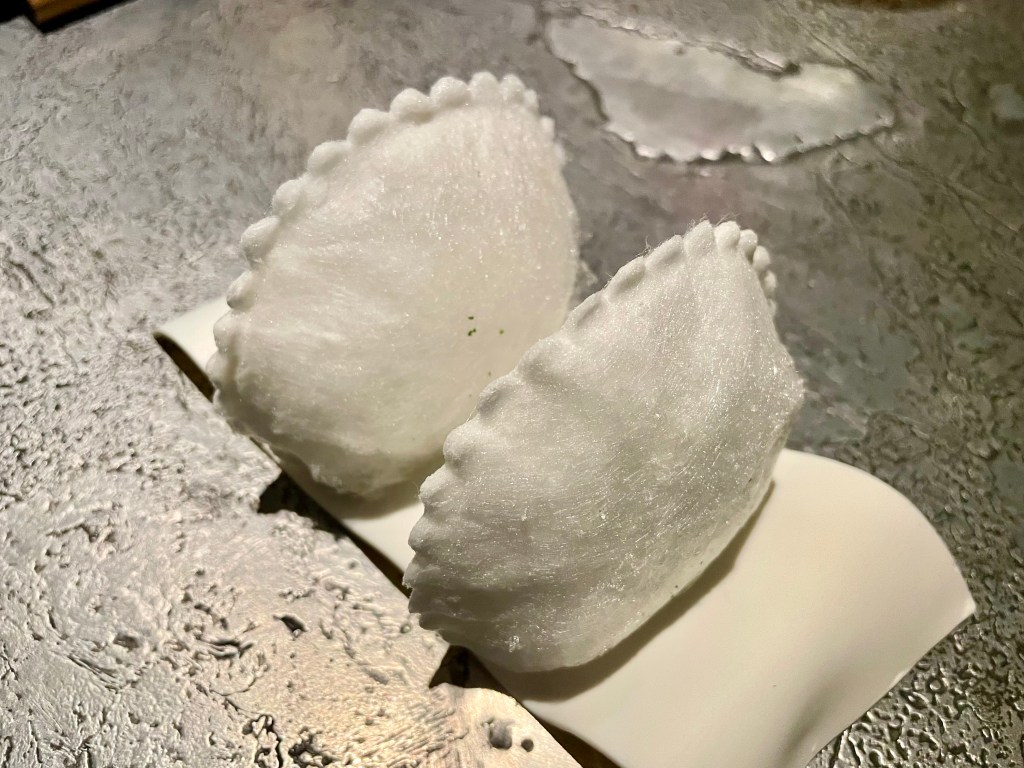

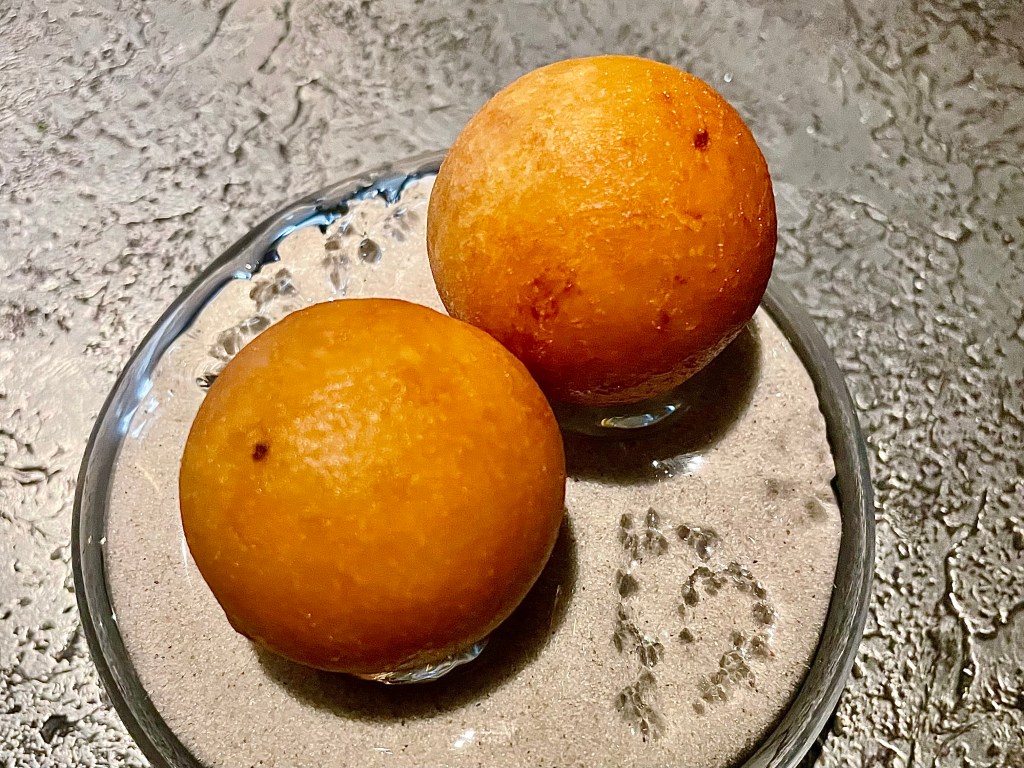
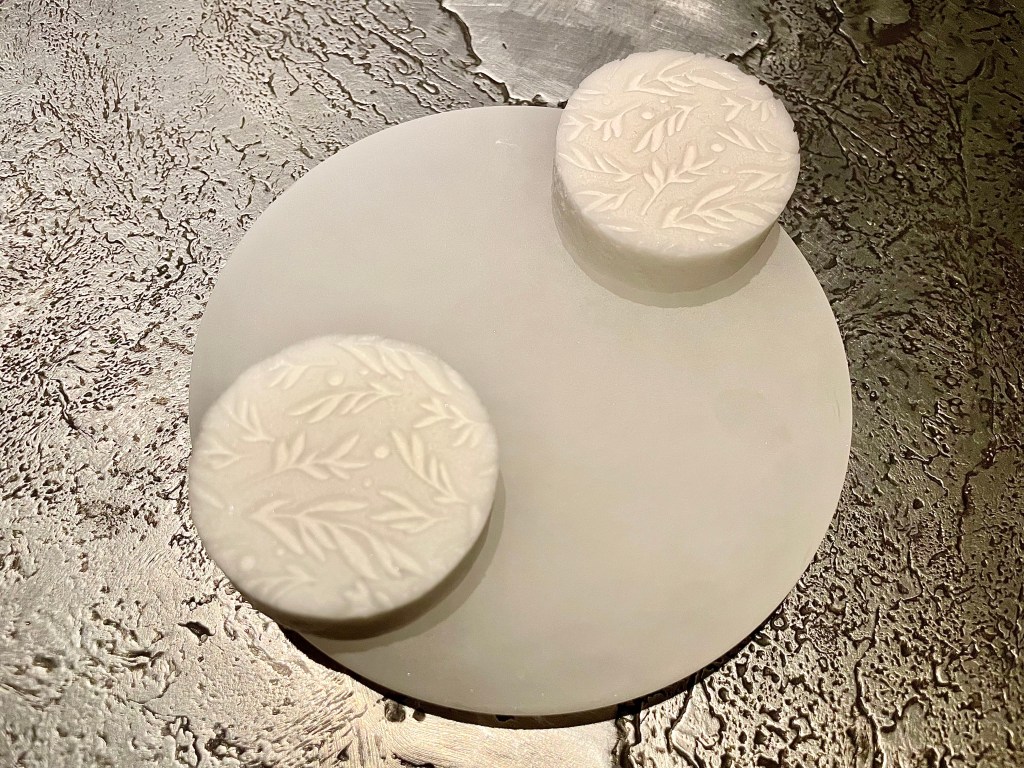
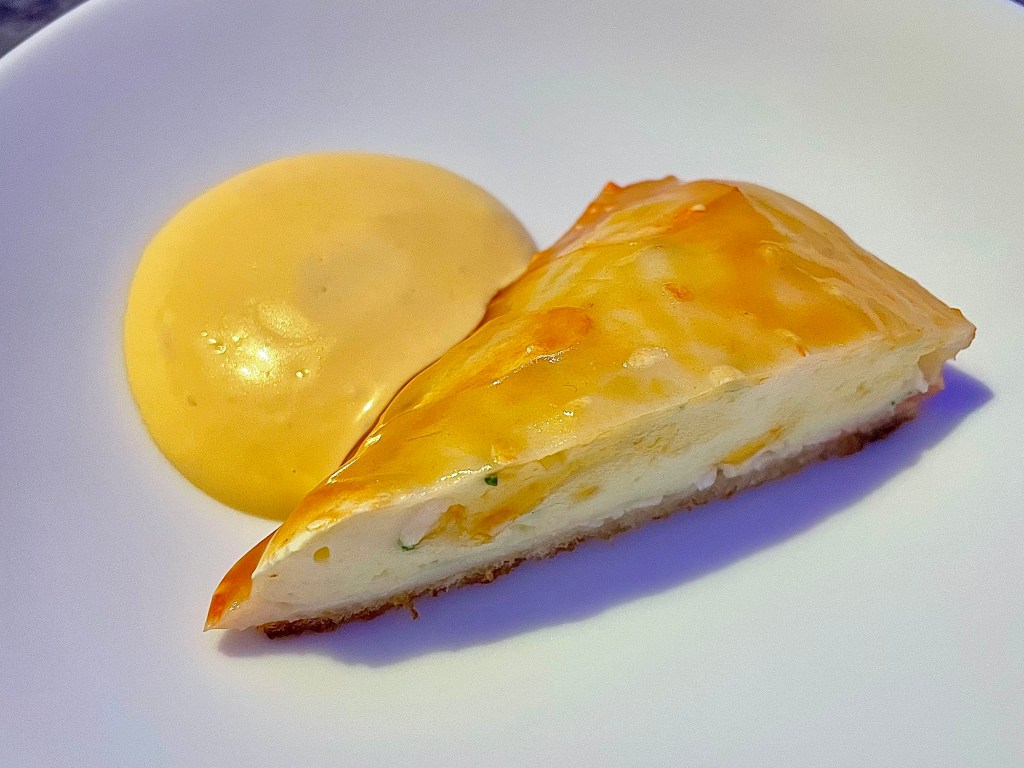
Everything at Alchemist challenges your notion of a restaurant dining experience. Following the immersive experience, we were led to a lounge overlooking a brightly lit room where the kitchen staff was experimenting with different ingredients as if they were scientists researching the next-generation biology. The term for each of the small bites and dishes to come was “impression.” It was in the lounge where ACT II (the dark room before was ACT I) began and we started getting more snacks while ordering cocktails and a bottle of wine to drink later. Some of these snacks were quite outstanding with ingenious touch, like the daisy cocktail with yuzu and mandarin, a sphere of gluten with langoustine tartare and caviar on top that generated smoke when we bit in the puff (hence the name “Smokey Ball”), an egg yolk emulsion (cleverly named “omelette”) with Comte, pancetta and truffle, and an expression of Spain’s bikini sandwich with jamon Iberico and gruyere cheese inside.
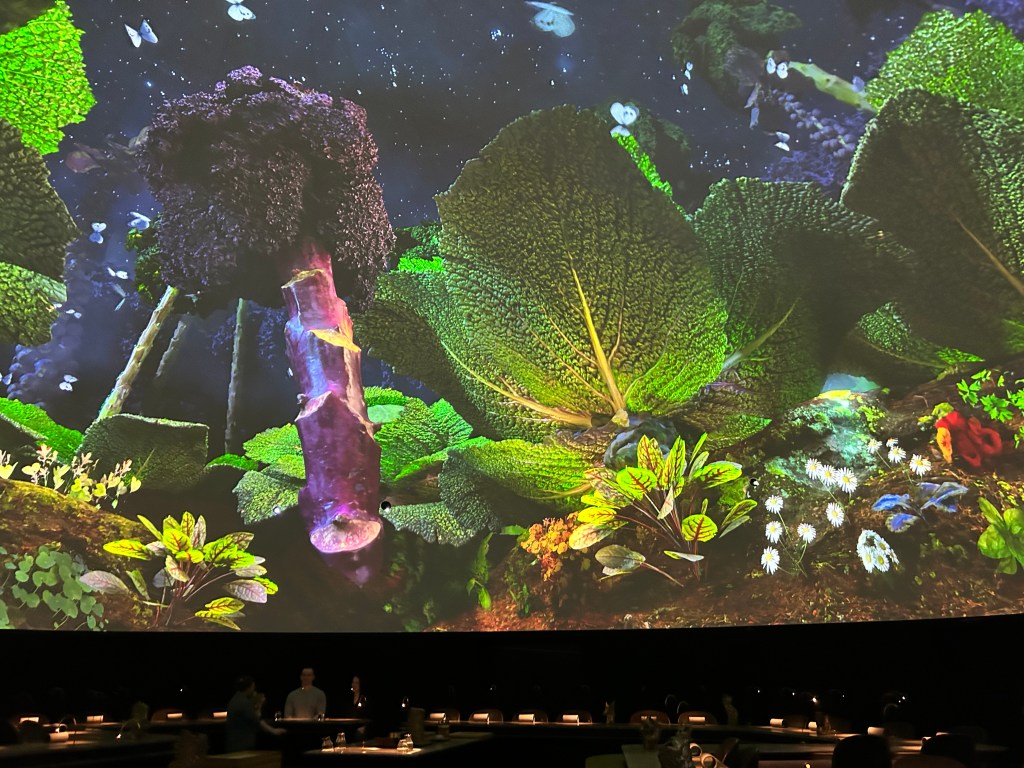

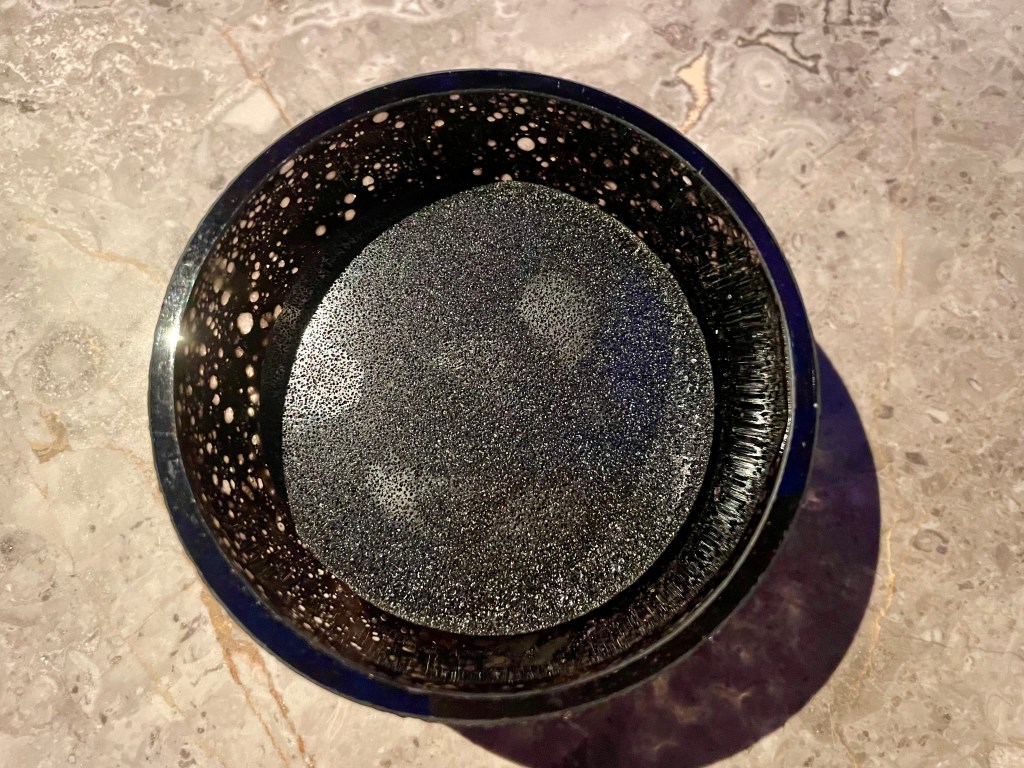


After all the snacks were we then led to the main dining room that looks more like a planetarium than a restaurant. Throughout ACT III (which is further divided into four Scenes), the ceiling rotated through different video images, ranging from natural settings like ocean under the water to more provocative (and containing heavy political and environmental messages) such as blood cells, caged chickens and “surveillance” symbolized by stacks of computer screens. While we appreciated chef Munk’s culinary vision to showcase that eating at a restaurant is not just about enjoying delicious food, at times these images distracted us from examining and savoring a series of dishes that started to arrive at our counter table. It probably didn’t help that some of the dishes even had more graphic appearances that some diners might consider too disturbing, like a bowl resembling the surface of an eye (not surprisingly called “1984”) with lobster and caviar to be dipped in the middle, a scoop of “Tongue Kiss” (fortunately, it was not a real tongue but a plastic model) where we were told to lick the habanero pepper and anchovy on the tongue’s edge, or a mousse of lamb brain and truffle in the middle of a model of dissected brain (named “Food for Thought”).

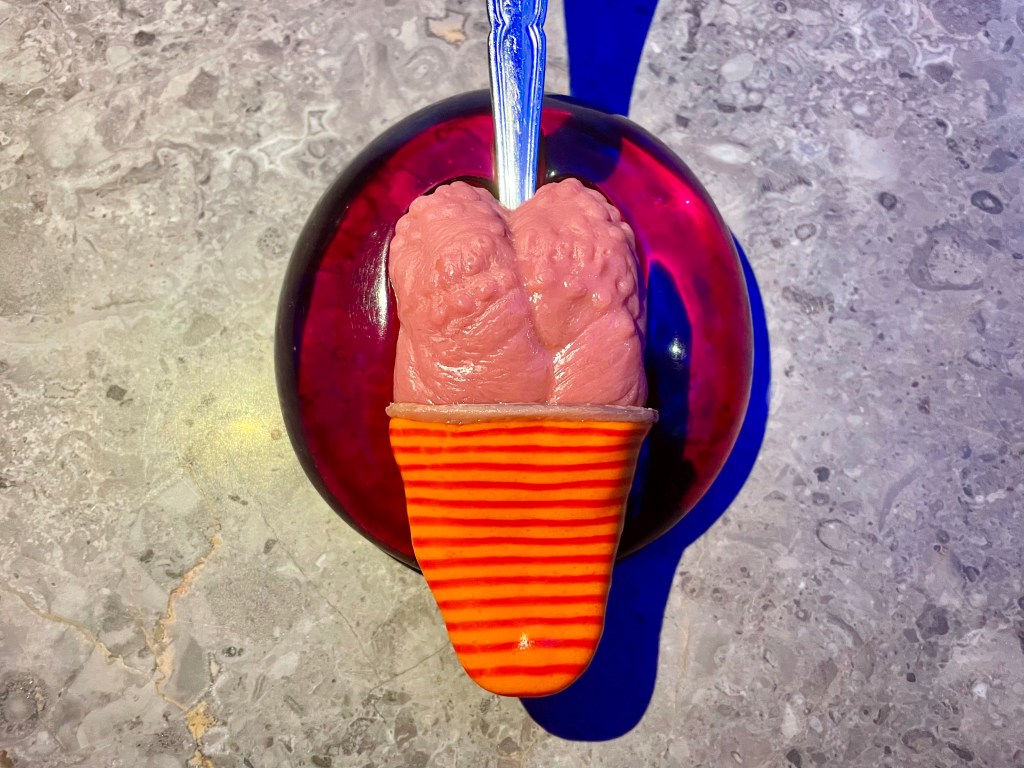
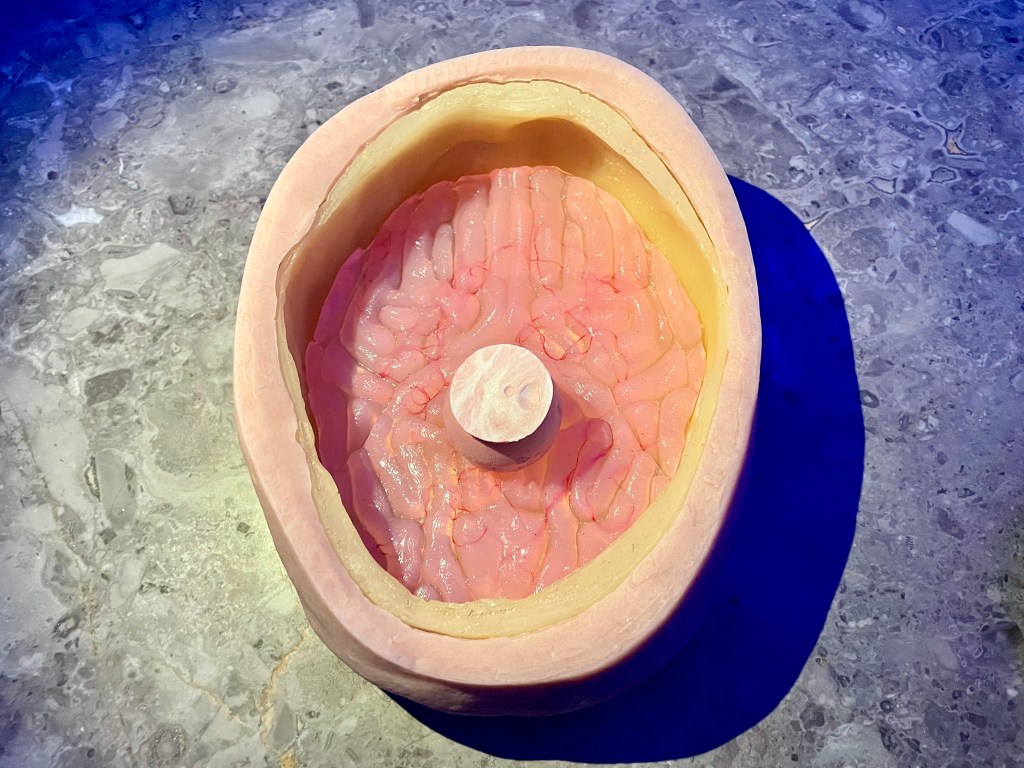


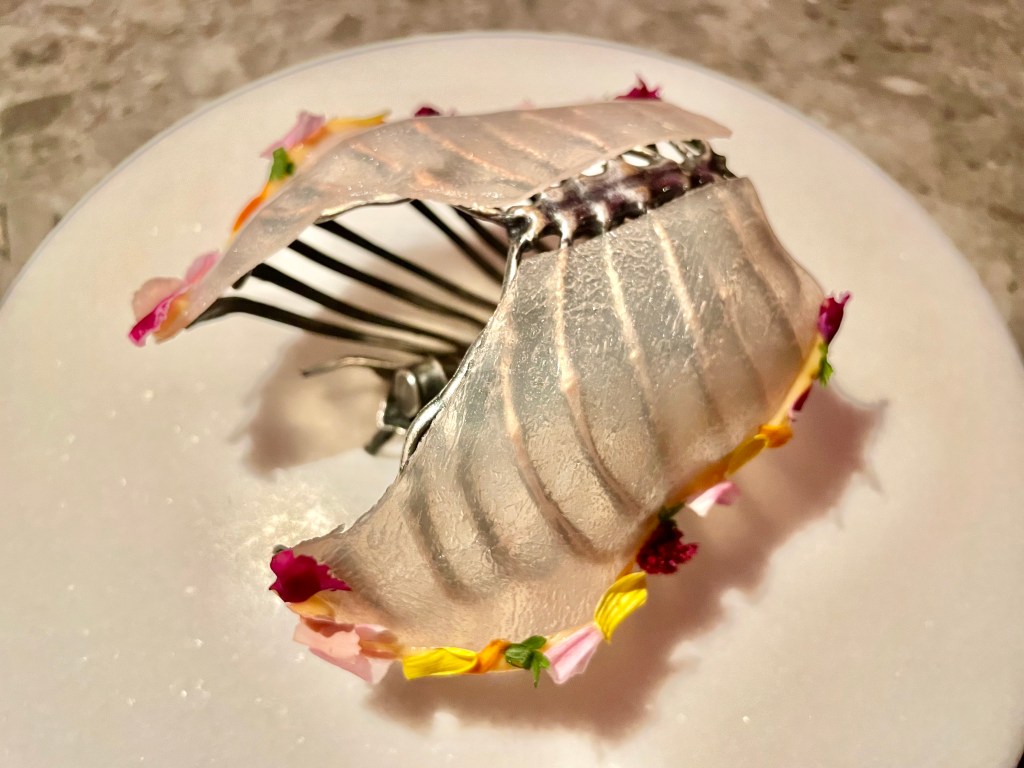
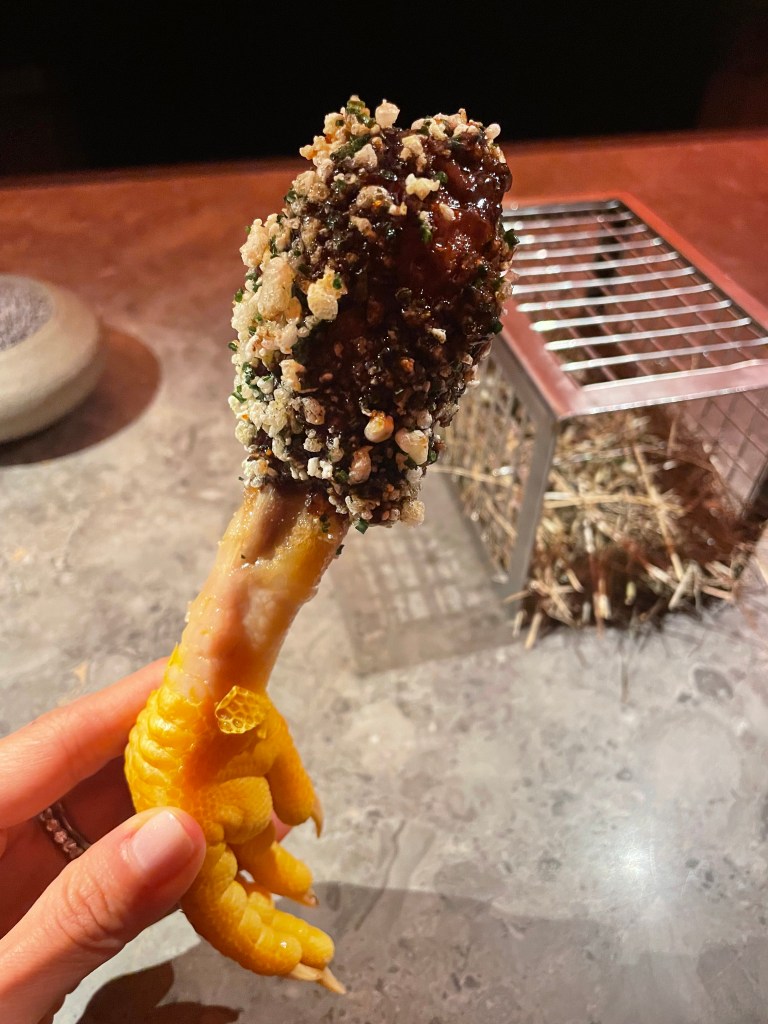
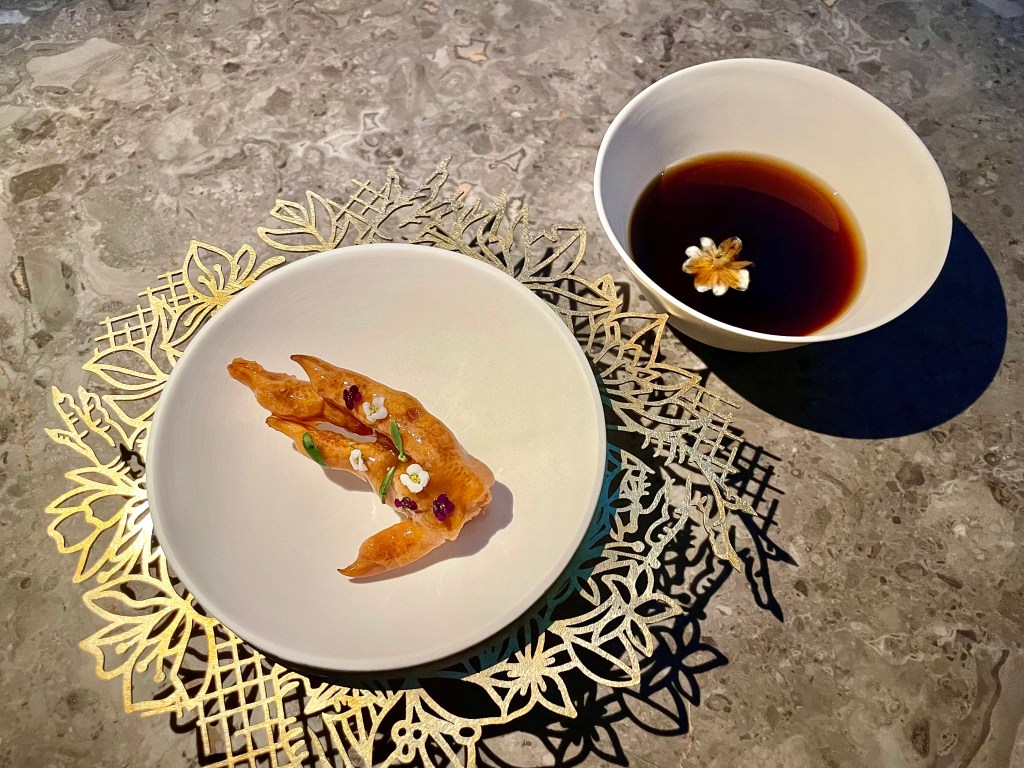
For someone with extreme phobia for bugs and insects like Jun, the “Bugrata” dish (consisting of stracciatella with tomato box and little green insects) would’ve been the worst nightmare at a restaurant. If you can overcome the somewhat bizarre (or, some might say, extremely shrewd) presentation of some of the “impressions,” there were also really delicious ones, too. Some of my favorites included Marine Invaders (absolutely fantastic mix of crab and sea urchin, both of which are apparently invasive species in the ocean’s ecosystem), Lobster Claw (a deconstructed representation of lobster roll with horseradish cream sauce and tomato powder), King Crab (utilizing crab tail that would’ve otherwise become food waste into almost like a fish cake with shrimp and langoustine layers), and Hunger (rabbit filet that tasted like a fine cured ham, and with harissa sauce that surprisingly worked well). The final savory course came in the form of chicken thigh glazed with Chinese sauce on a plastic model of chicken foot, followed by actual deboned chicken foot and sweet and sour broth of tom yum soup. Both of these dishes left a more lasting visual impression than how they actually tasted.


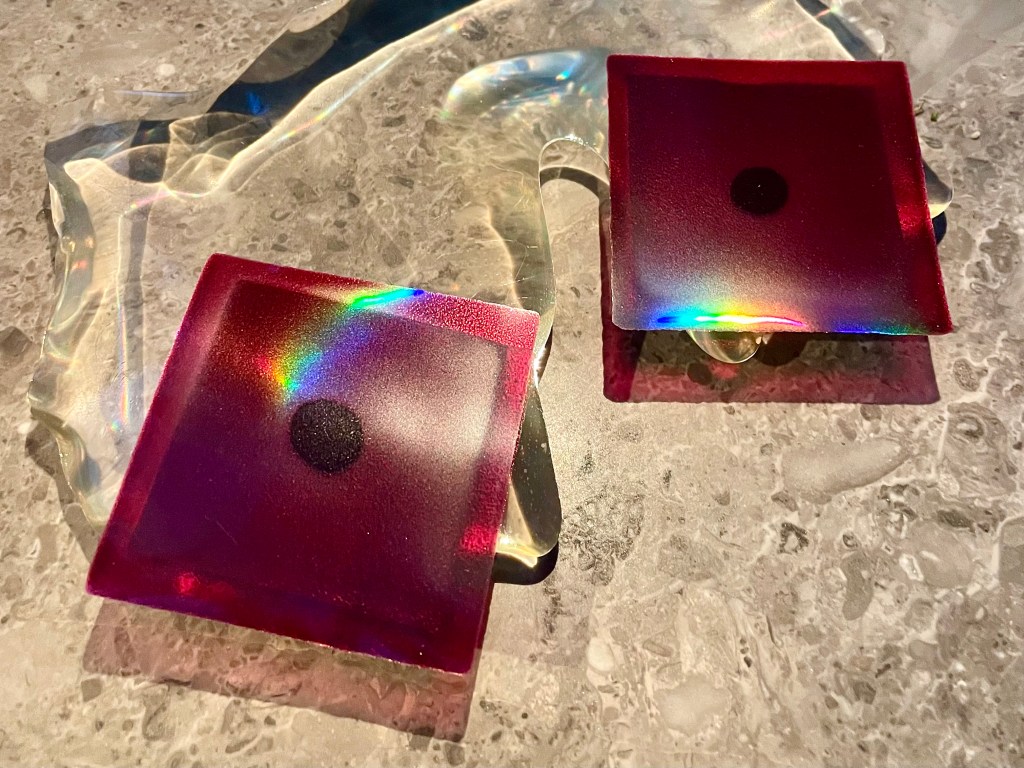
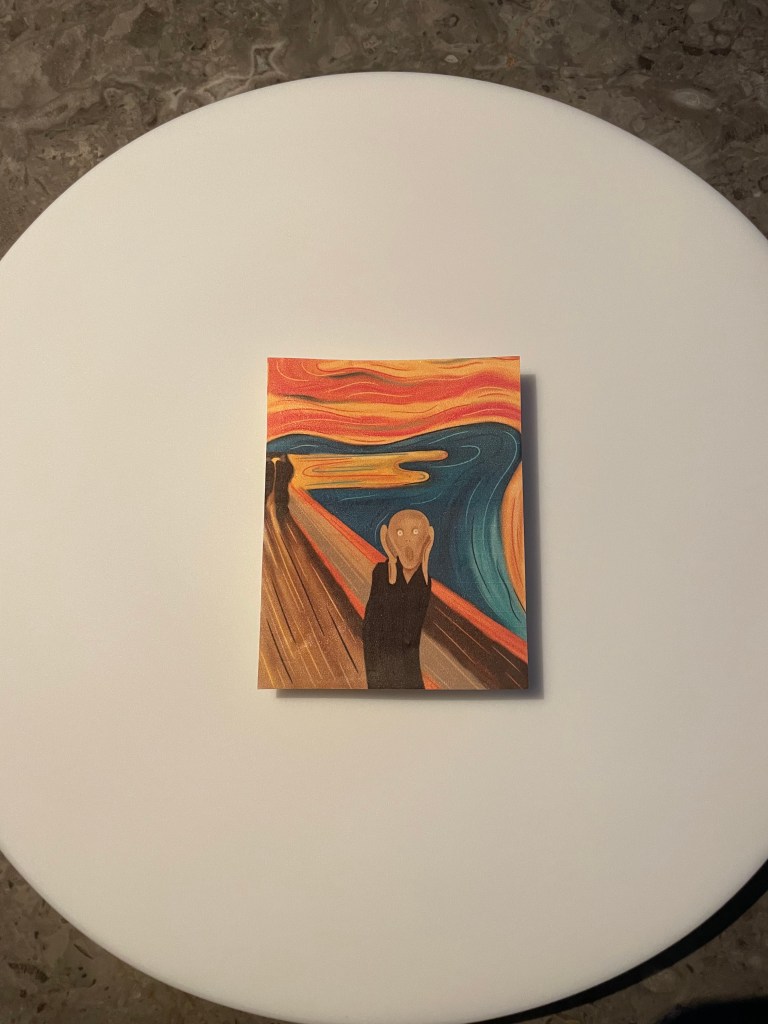
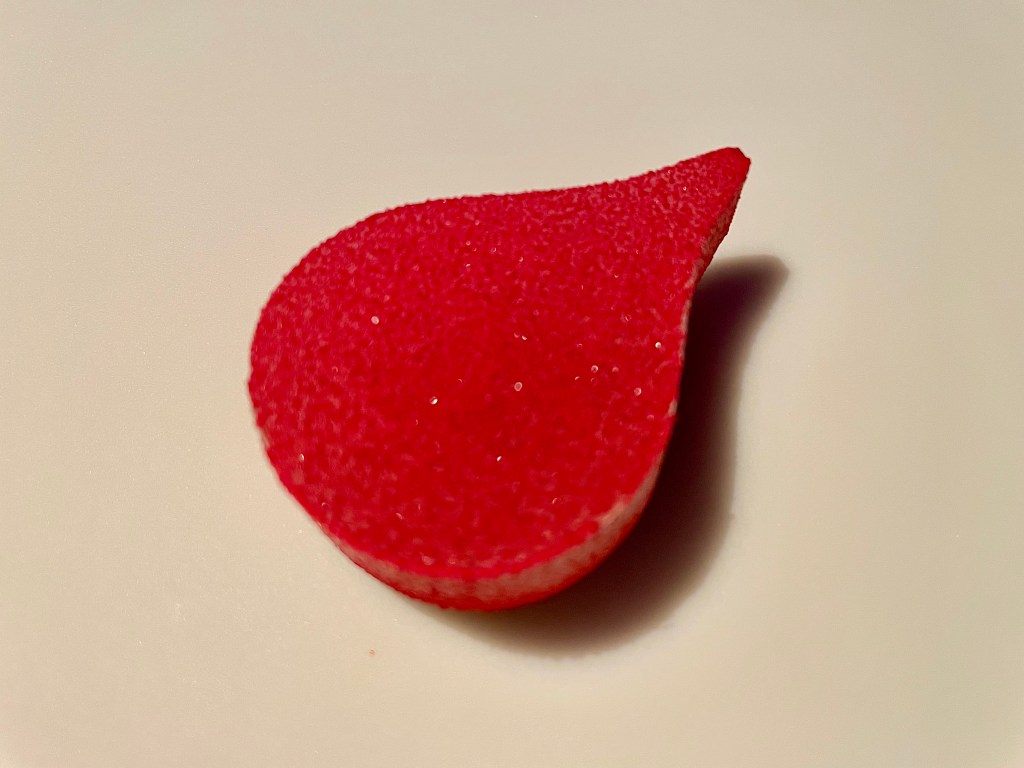

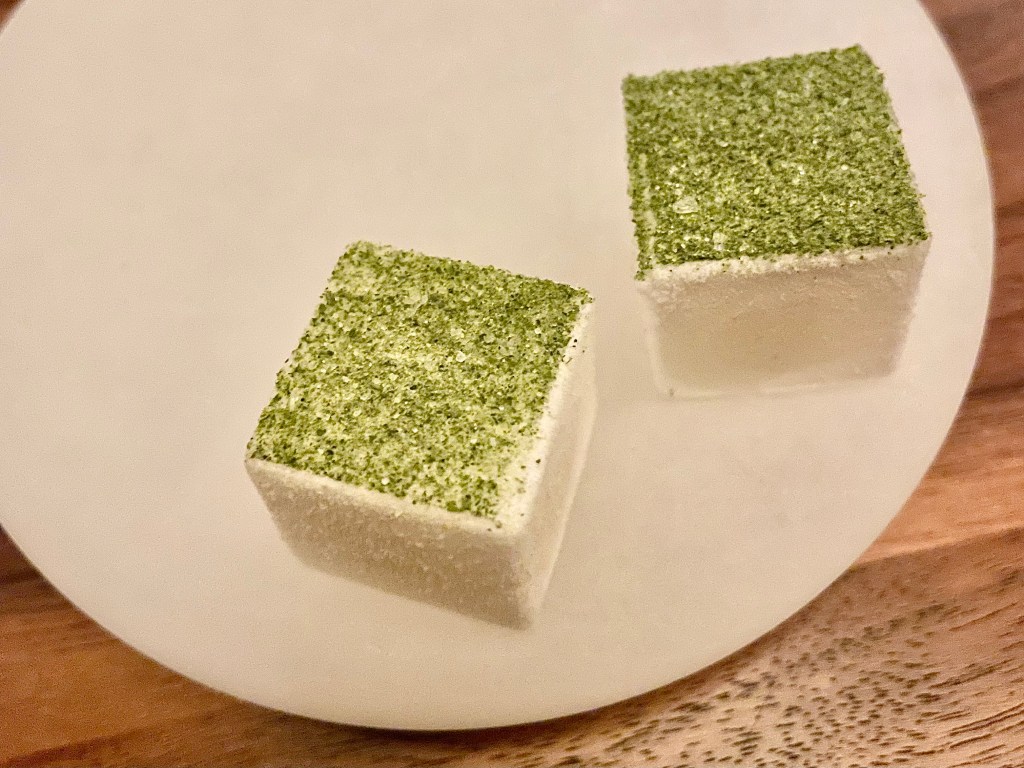
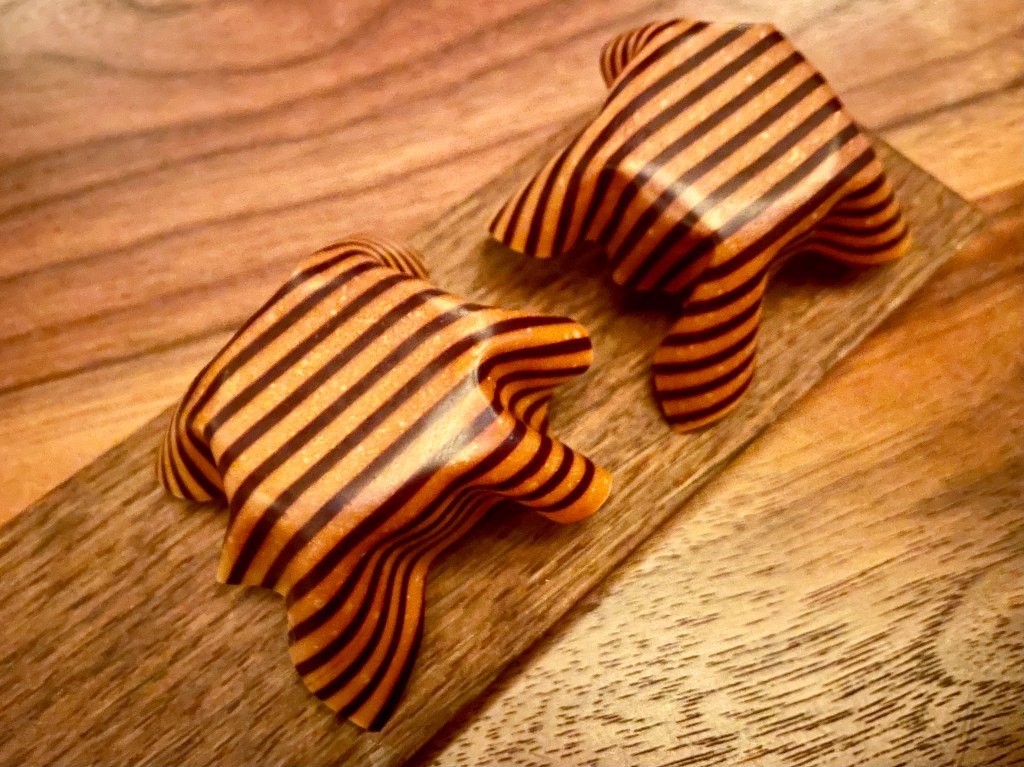
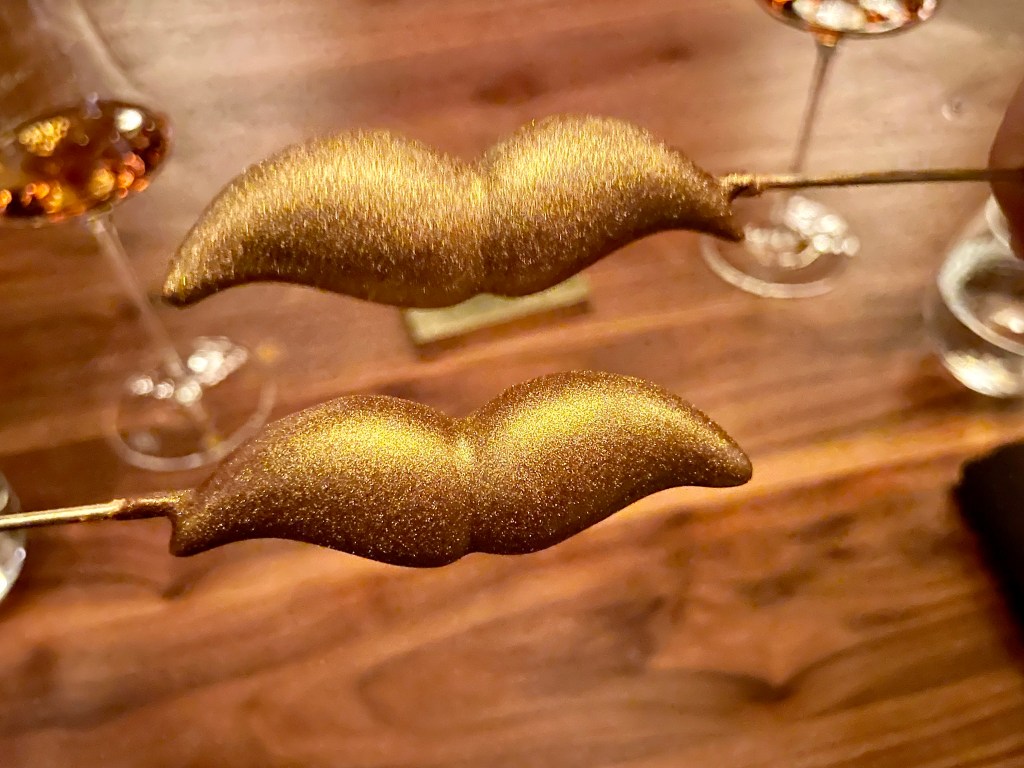
The desserts also came in the form of small bites inspired by a variety of themes. We encountered an extremely thin slice of black currant forming a mini vanilla ice cream sandwich, a miniature of Edvard Munch’s famous painting The Scream (with clementine and licorice flavor) and a chocolate bar named “Guilty Pleasure” sourced from cacao raised without child labor. The only dish in this Scene 4 that didn’t quite work was the pig blood ice cream (called “Lifeline” and accompanied by a QR code for blood donation) with uncomfortably lingering taste of blood. After a fun detour that made both of us reminisce about our childhood and a quick stop at the chefs counter, we were led to another lounge for final desserts, starting with Amber (with an ant inside!) that was apparently created out of the chef’s love of the Jurassic Park movie, followed by Cubic Margarita (think frozen margarita), In a Nutshell (a combination of caramelized milk and hazelnut ice cream), and finally Flavor Saver (a playful take on a Danish dessert called Grandfather’s beard). Contrary to our fears that we would be too stuffed to finish the meal (after having read that the restaurant serves around 50 courses), the portion was just about right for a long, multi-course meal (perhaps due to the fact we barely ate anything before the dinner).


Booking a table at Alchemist requires as much effort as some of the other finest dining destinations in Copenhagen. Make sure to sign up for a mailing list from the restaurant that will periodically announce when the next reservation window will open. The gigantic wine list at Alchemist was indeed a tour de force, with a fancy gadget that you can use to browse the bottles by categories such as country, region and grape type. The service staffs were friendly and helpful throughout the meal, from walking us through the wine list to explaining the ingredients and thinking behind the dishes as they arrived. At the end of the meal, chef Rasmus came out to greet and thank us for the visit. For a star chef who is probably one of the hottest names in the gastronomy world right now (he recently made news for announcing a new project where diners can experience “stratospheric dining” on a space flight in 2025 (for a cool $500K per person), we found him surprisingly approachable and humble. Is Alchemist the best meal in the world? Jun and I wouldn’t go that far, especially for the price point that is probably one of the highest in the world (setting you back around $700 per person just for the meal), but we appreciated the thoughtful culinary philosophy behind chef Rasmus’ team that is not afraid to push the boundaries on our expectations of what it means to dine at a restaurant. For anyone looking for a memorable, one-of-a-kind dining experience, Alchemist will simultaneously captivate and challenge you.
Address: Refshalevej 173C, 1432 Copenhagen, Denmark
KenScale: 8.5/10 (Jun’s Score: 8.5/10)
Website: https://alchemist.dk/
Reservation via Tock
 KenScale