One of the best TV shows my wife Jun and I watched this year was a Korean cooking competition show called Culinary Class Wars on Netflix. I don’t watch cooking competition shows simply because I don’t get to actually eat any of the dishes featured on the screen. Only after I heard massive buzz around the show did we start watching Culinary Class Wars, based on a unique concept of pitting well-established star chefs (the so-called “white spoons”) against relative newcomers (the so-called “black spoons”) in Korea’s culinary world and beyond. We were absolutely mesmerized by the dynamic competitions where chefs regardless of their status gave their all against some of the most grueling challenge formats. One of the contestants that we really enjoyed watching was Edward Lee, a celebrity chef who has deeply impressed us with his creativity and touching life story as a Korean American still searching for his identity and culinary philosophy in between the two countries. I was therefore beyond excited to hear that chef Edward was opening a new fine dining Korean restaurant in DC’s Union Market neighborhood. Aside from showcasing chef Edward’s take on Korean cuisine, Shia is also committed to sustainability as a non-profit organization with three goals of zero plastic, zero gas and waster reduction. After striking out on reservations for November, I was lucky to secure a reservation in December. So, did Shia live up to our expectations? It turned out to be one of the most frustrating experiences for us this year.
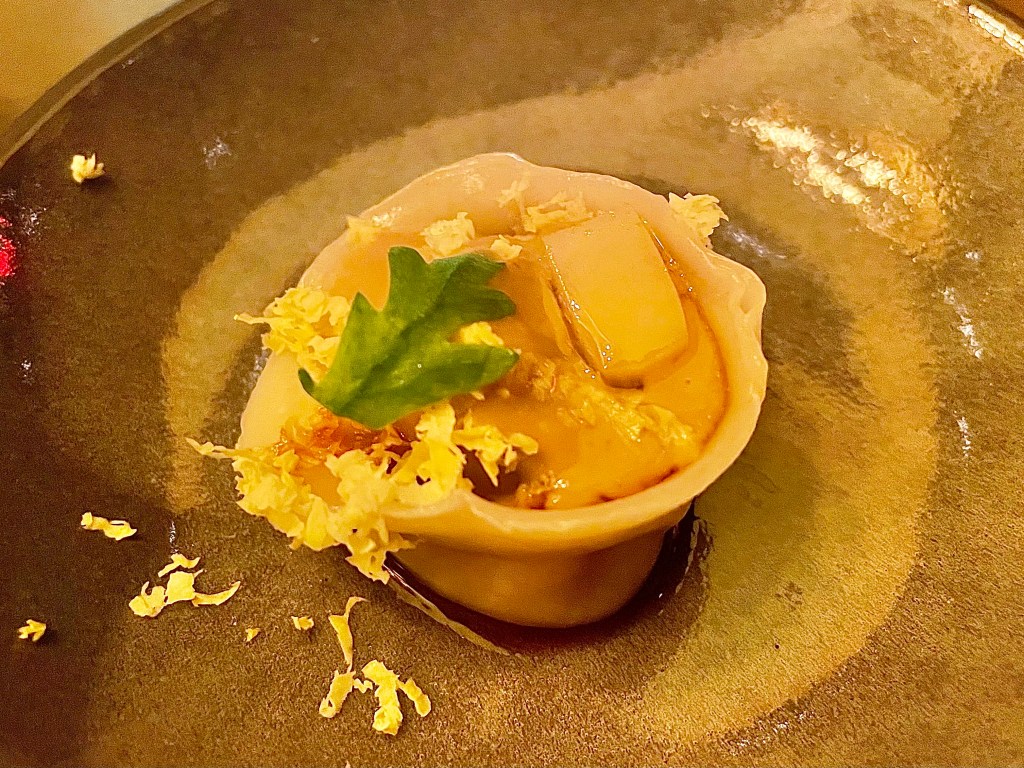
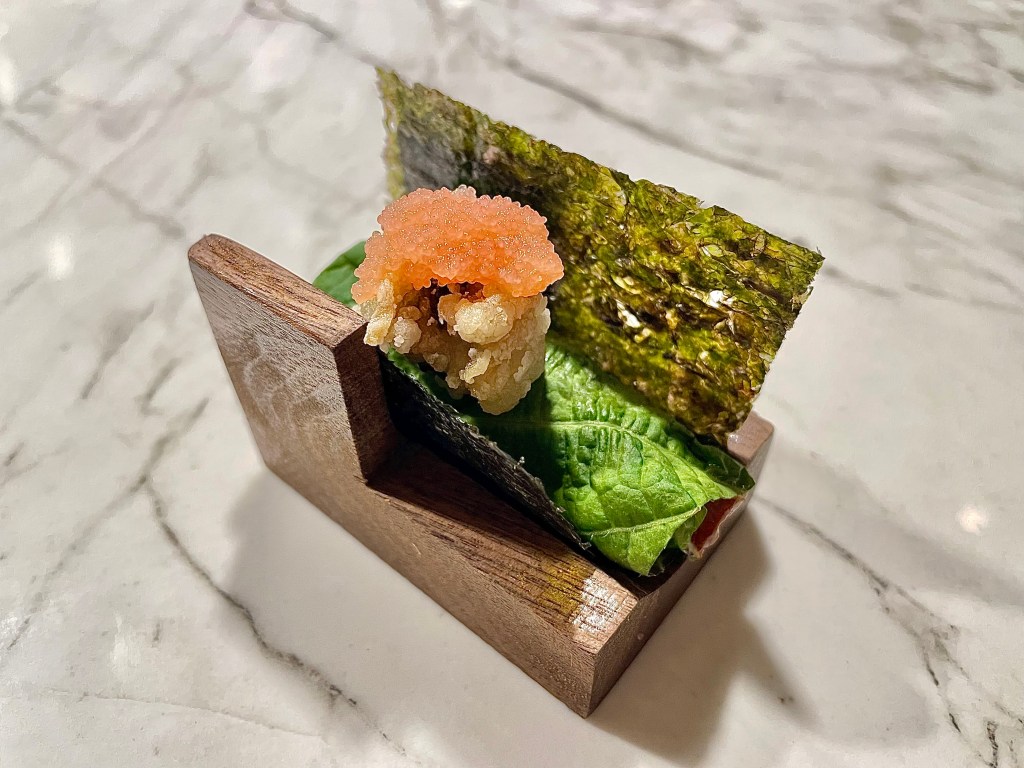
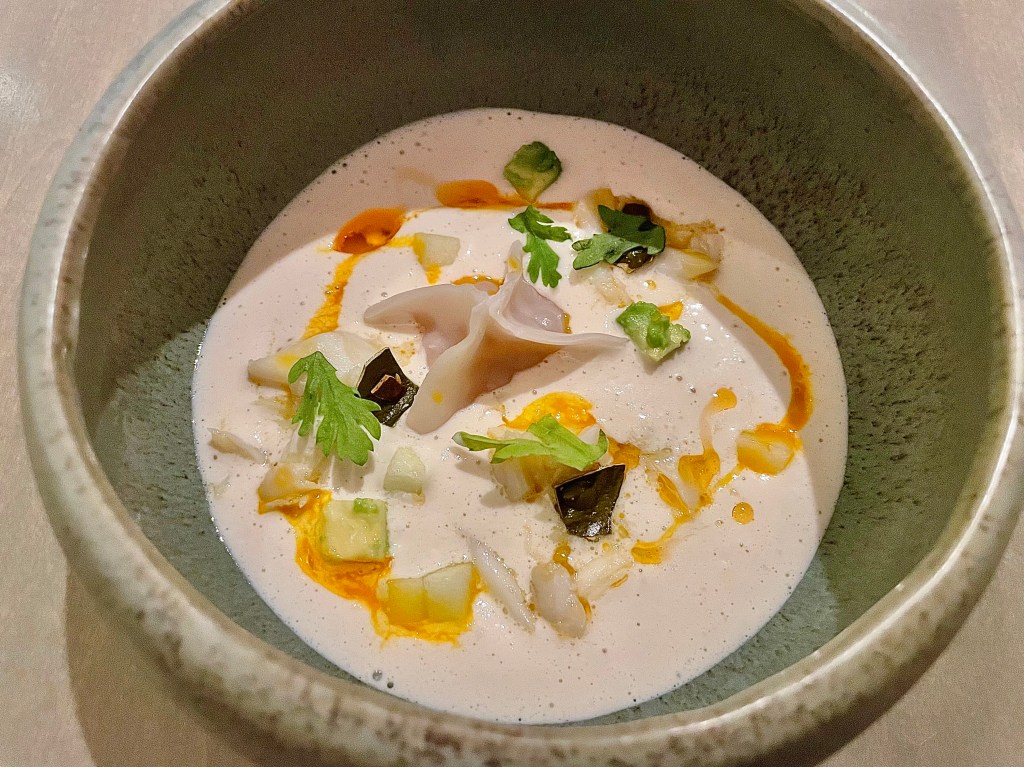
As we entered the restaurant, we were greeted with pumpkin mandu dumpling and chestnut makeolli (Korean rice wine) at the bar area. Afterwards, we were led to the kitchen area where chef Edward greeted us with another bite along with omija (a type of berry native in Korea) soju. This was when Jun started to have major doubts about the restaurant. The bite, a small perilla leaf wrap with scallop, fried oyster and fish roe, was mostly fine until you realize that there is also ssamjang sauce (made of fermented soybeans and red chili paste) that quickly overwhelmed all the ingredients. As we got seated at our table, Jun couldn’t shake off her bad feelings that our meal might disappoint us. And it was mostly a hit or miss (with more misses than hits) affair afterwards. I liked the nutty and citrusy flavor of the cold soup of pine nut, soondubu (soft tofu) and apple, with Maryland crab sprinkled around, and really had to question why the dumpling in the center of the soup had to contain fish roe that neutralized the soup’s flavor in a very unpleasant way.
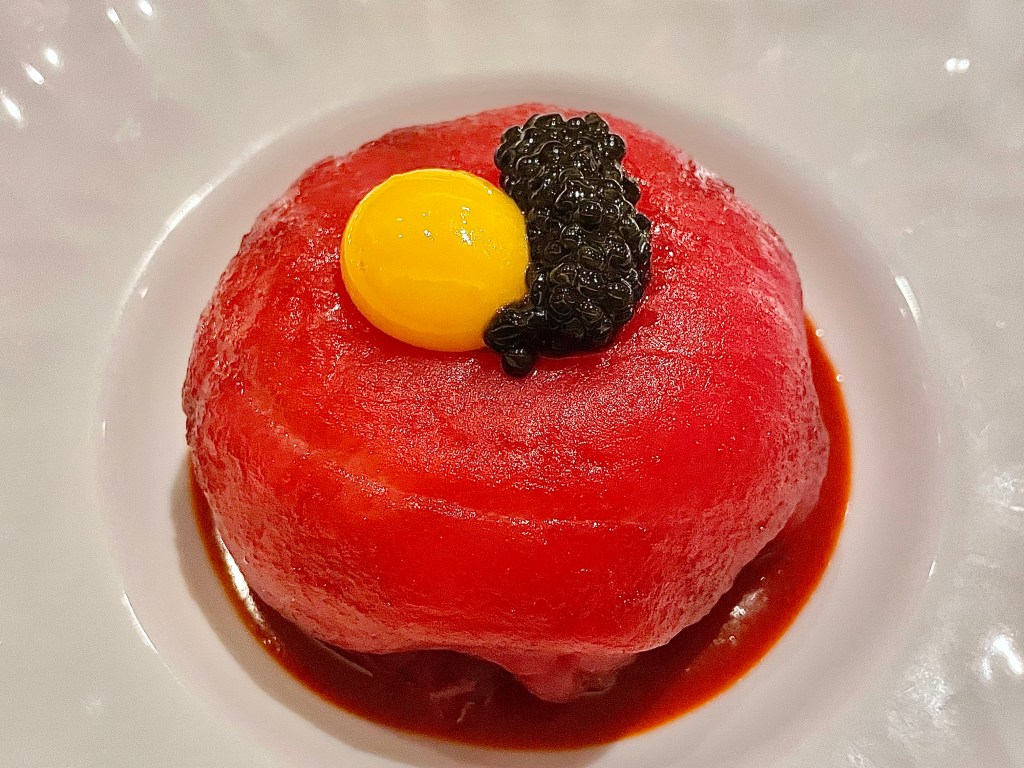
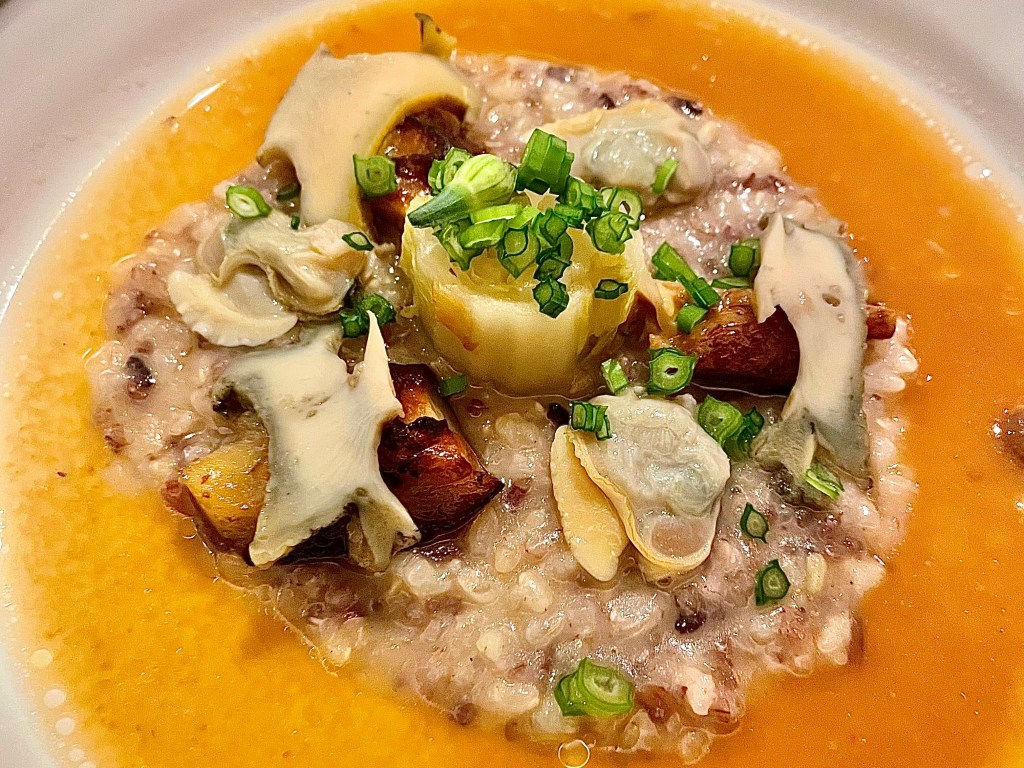
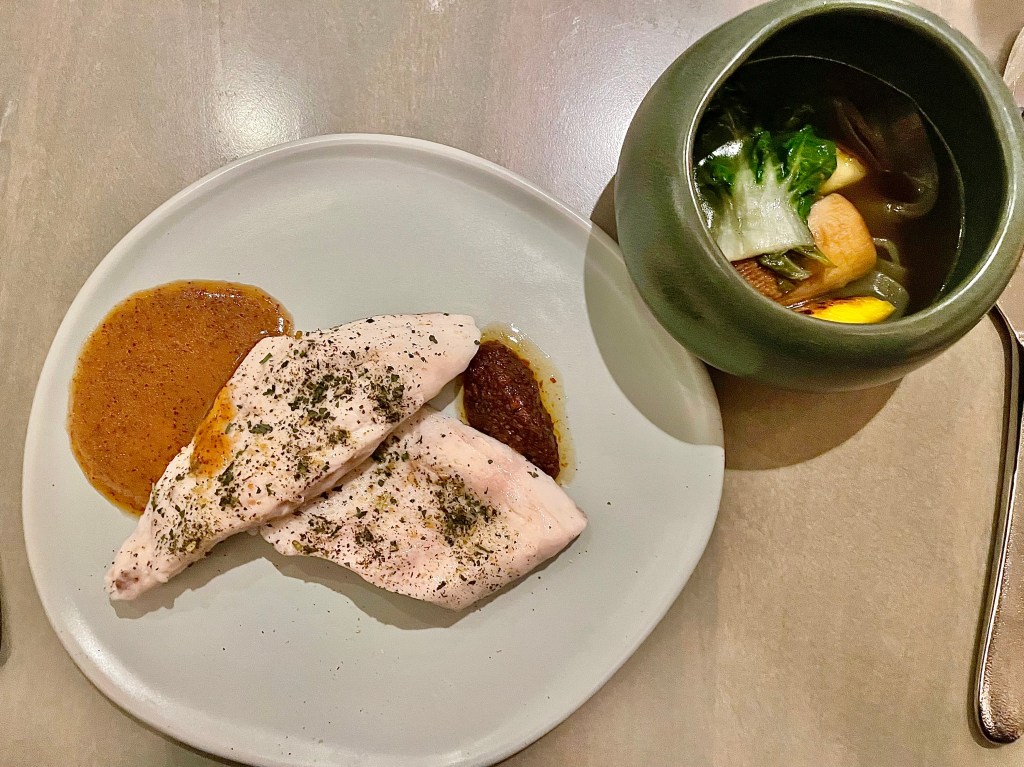
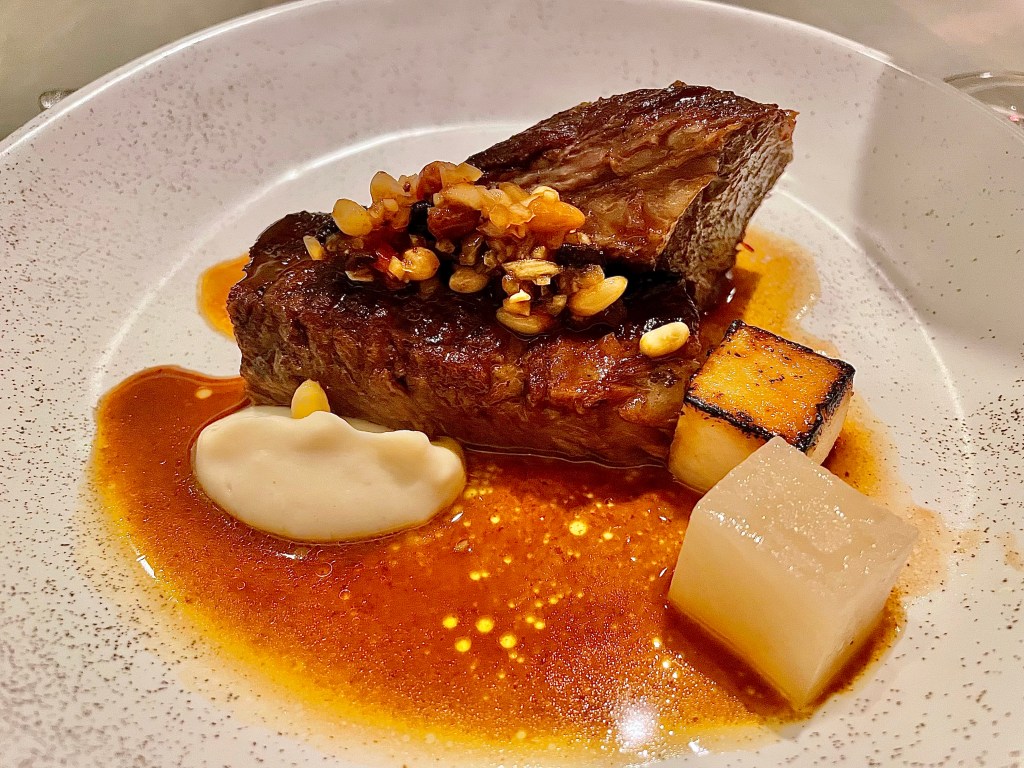
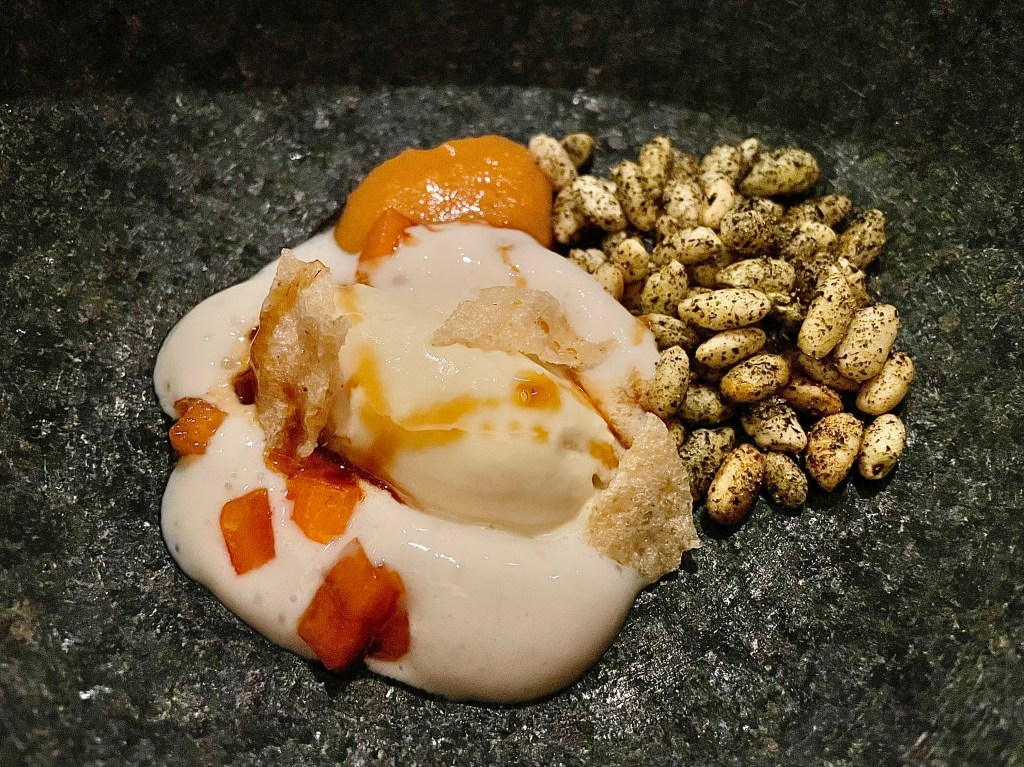
The tuna “bibimbap” (with quail egg and sturgeon roe on top), based on one of the dishes that chef Edward showcased in the show, was solid but I guess it looked a more delicious on TV. Another course, with doenjang (soybean paste) as the base with seven different grains, was also mostly fine but I didn’t feel like the pork belly, abalone and clams in the dish worked together as well as I had hoped. Between the two main dishes, Jun was especially critical of the rockfish with perilla spice and XO, telling me in hushed voice the fish was simply not very fresh. The other dish, kalbi short rib with root vegetables and fermented black bean, was better but not enough to overcome all the shortcomings from the previous dishes. The dessert of “nurunji” rice with persimmon and boricha ice cream was not bad, either, but again we expected a little better.
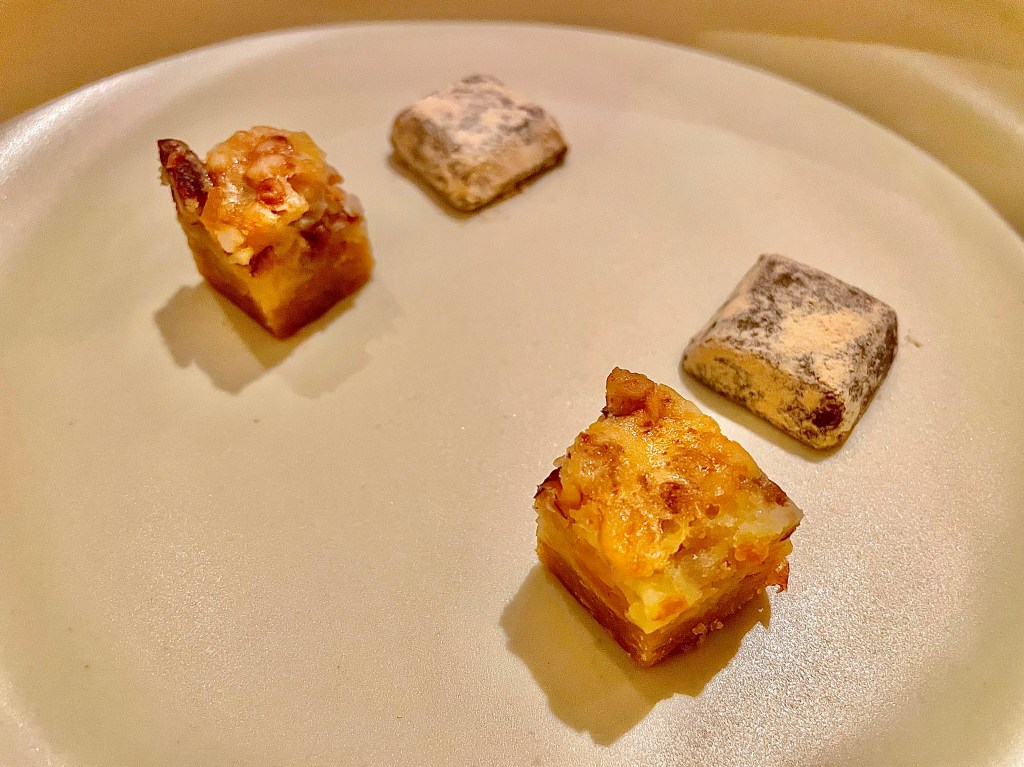
Thanks to chef Edward’s fame from the show and the modest size of the dining room, getting a reservation at Shia is very challenging at the moment. Not surprisingly, the dining room was filled mostly with Asians who presumably came here after watching the show. I liked the upscale and smartly designed dining room with warm light, which makes our mixed experience with food (the seven course cost $165 per person) all the more disappointing. You can also opt for a beverage pairing at $65 per person, with a mix of Korean soju, Japanese sake and wine, to complement the meal. I was surprised that the beverage list, while showcasing interesting-looking Korean drinks, didn’t put as much efforts into the wine list. From the very brief interaction we had with chef Edward, he seems to be a genuinely nice person considering his celebrity status (he really seems to be taking off in Korea after the show, publishing a cookbook and also launching a makgeolli brand under his name). A week after our dinner, Jun and I discussed our experience. We both asked ourselves whether we, with our Korean background, were being overly harsh to a Korean restaurant for not living up to our own conception of what Korean food should taste like. On the other hand, it’s not like we always gave harsh grades to Korean restaurants in the U.S., and there have been some truly wonderful places that we felt privileged to have visited. Jun’s sincere hope (which I also share) is that our mixed experience was mostly due to the kitchen still looking to find its identity and working out kinks. I do appreciate chef Edward’s creative attempt to reinterpret Korean cuisine from his perspective as a Korean American but it does feel like execution needs a lot of work for Shia to become one of the premier dining destinations in DC.
Address: 1252 4th Street NE, Washington, DC 20002
KenScale: 7.5/10 (Jun’s Score: 7.5/10)
Website: https://shiarestaurant.org/
Reservation via OpenTable
 KenScale