At the end of 2025, my wife Jun and I traveled to Los Angeles and the Santa Barbara wine region before meeting with Jun’s family in Hawaii to spend Christmas and New Years. My biggest target for dining during our stay in LA was Somni (review to come separately), but there were also a few other restaurants I had wanted to visit. One of them was Baroo, which had long been considered a trailblazer of modern Korean cuisine before it really blew up in the U.S. with restaurants such as Atomix and Jungsik. The restaurant behind the husband-and-wife duo of Kwang Uh and Mina Park had gone through a transition from a casual eatery focusing on the fermentation technique to a more structured tasting menu place in the Arts District. Overall, the tasting menu (at $125 per person) was solid with some pleasantly surprising twists.
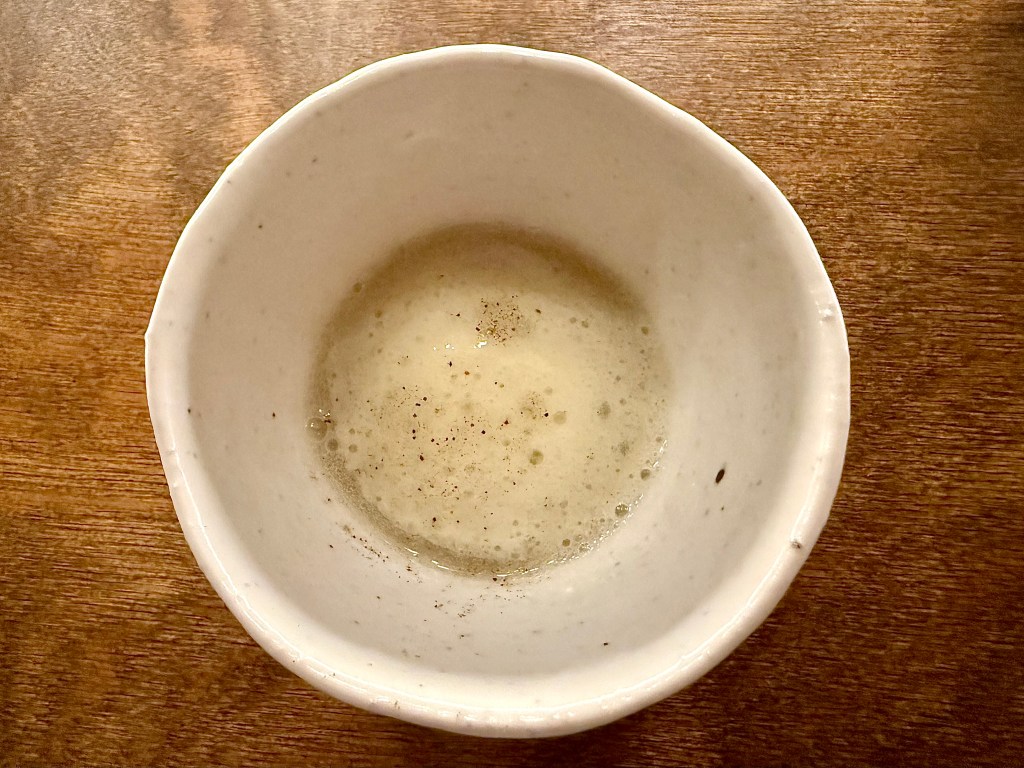
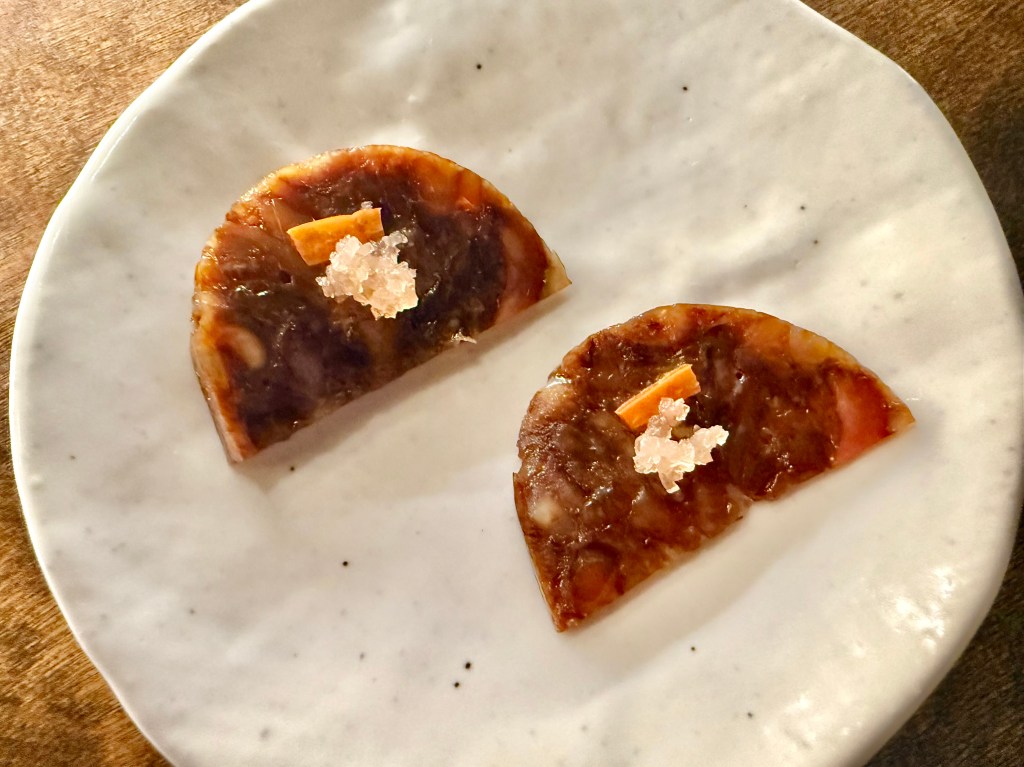
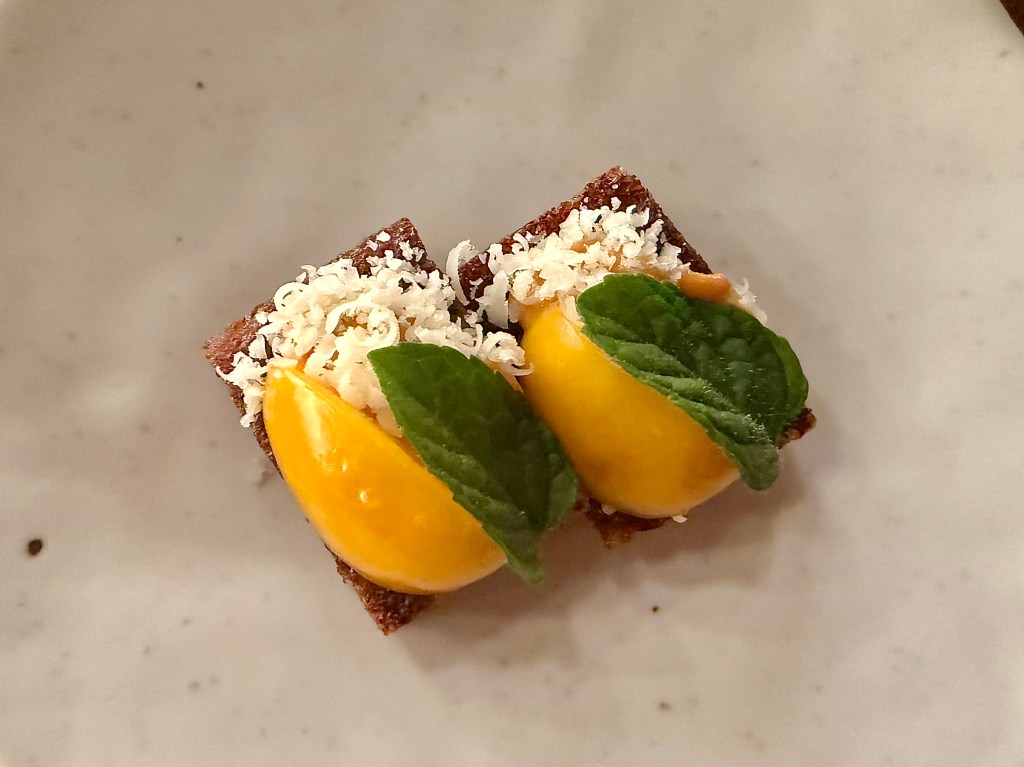
Baroo, which in Korean means the bowls used by Buddhist monks, has a philosophical sensibility to its menu grounded in Buddhism and Taoism. Each course as described in the menu was accompanied by a single Korean and Chinese character representing certain concepts in the cycle of nature. I did wish, though, there were better explanations from the staff on how a dish was connected to the philosophical concept. The opening snacks had some delicious bites like jokpyeon (a traditional Korean dish made by boiling meat cuts with high collagen content to give chewy texture) and black sesame sool bbang (a bread fermented with makgeolli). I was also very fond of the raw jaetbangeo (a type of amberjack) accompanied by gooseberry and pear to give delightful citrusy flavor; it also paired tremendously with the white Gruner Veltliner (more on the wine pairings later).
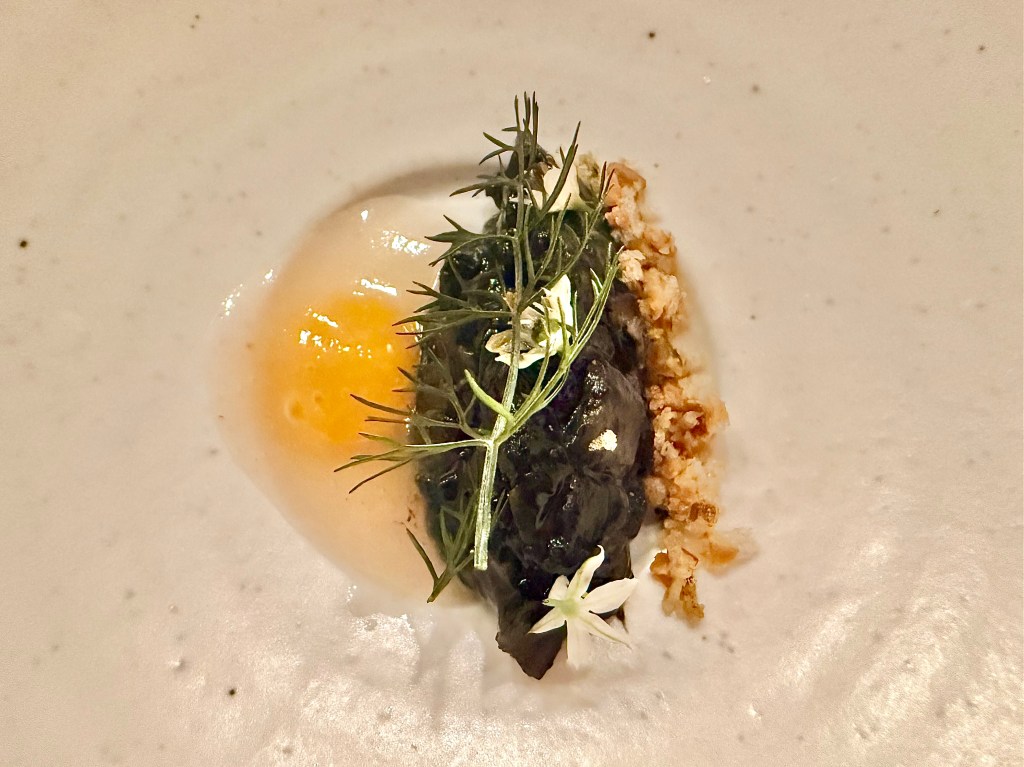
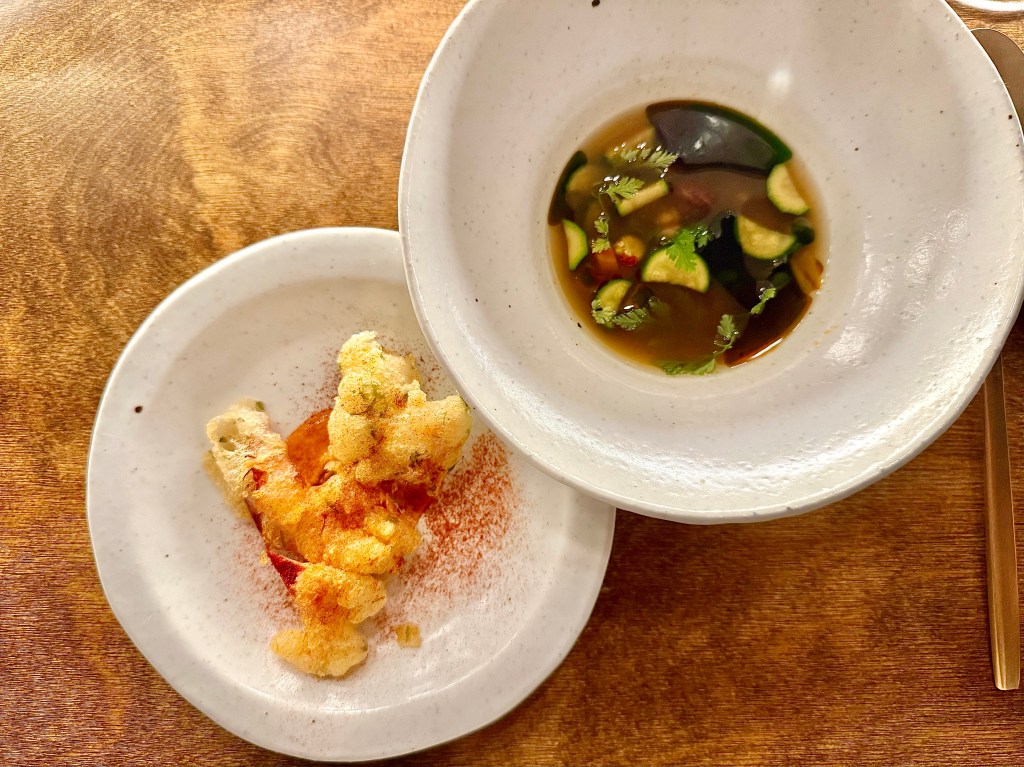
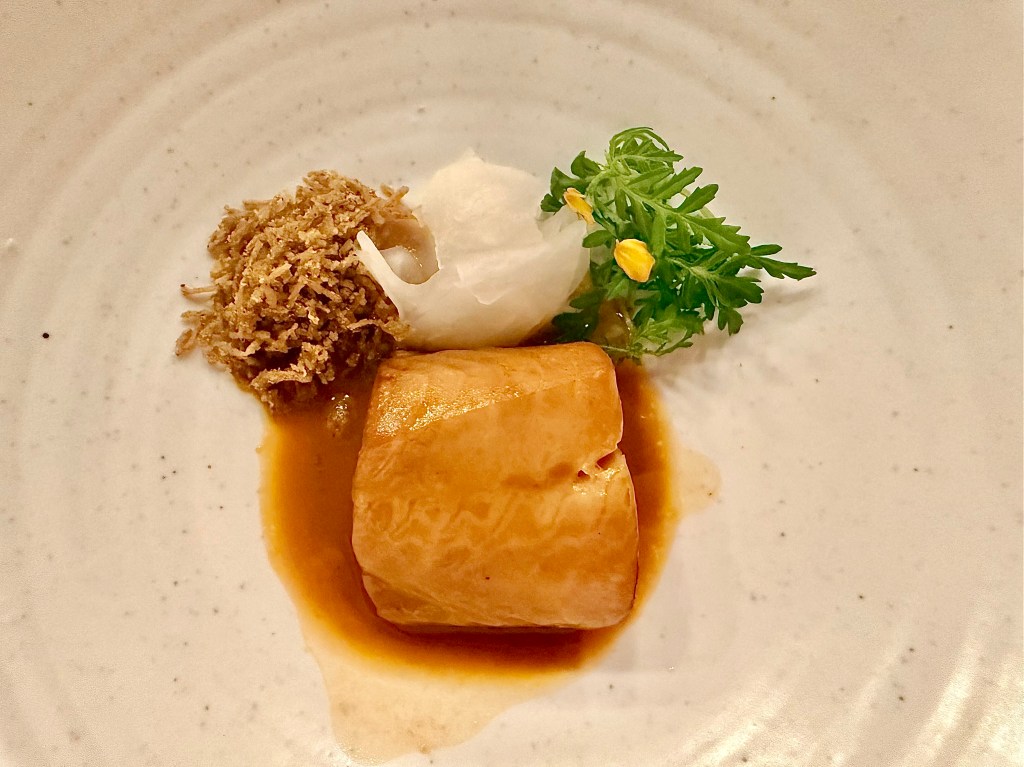
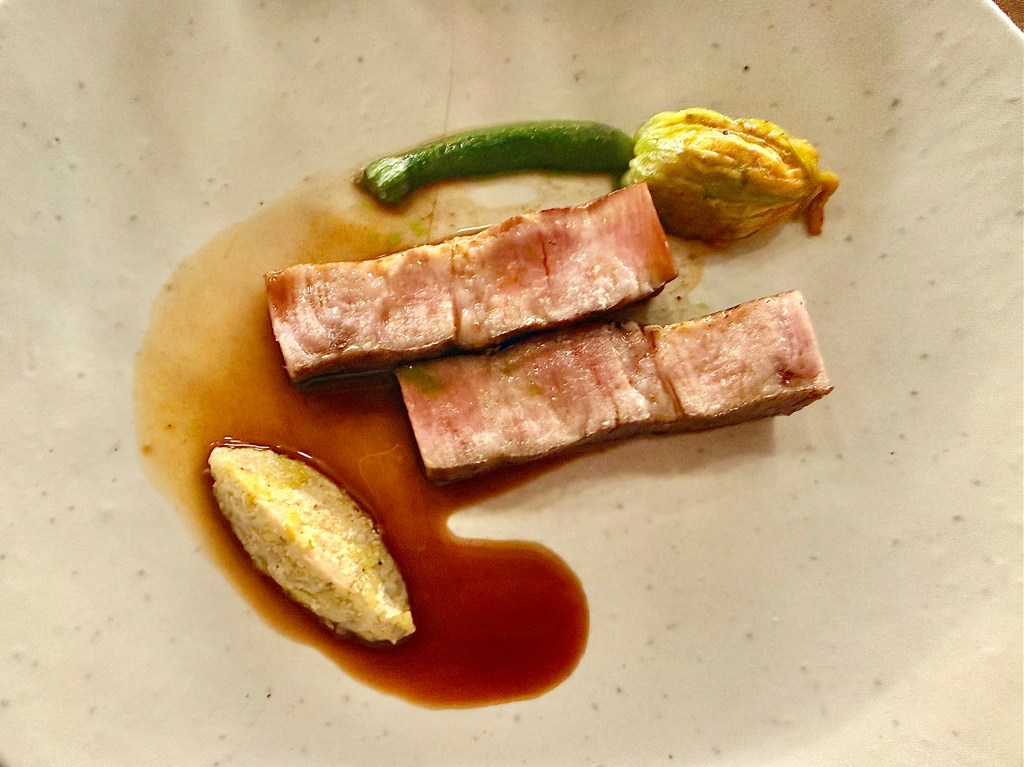
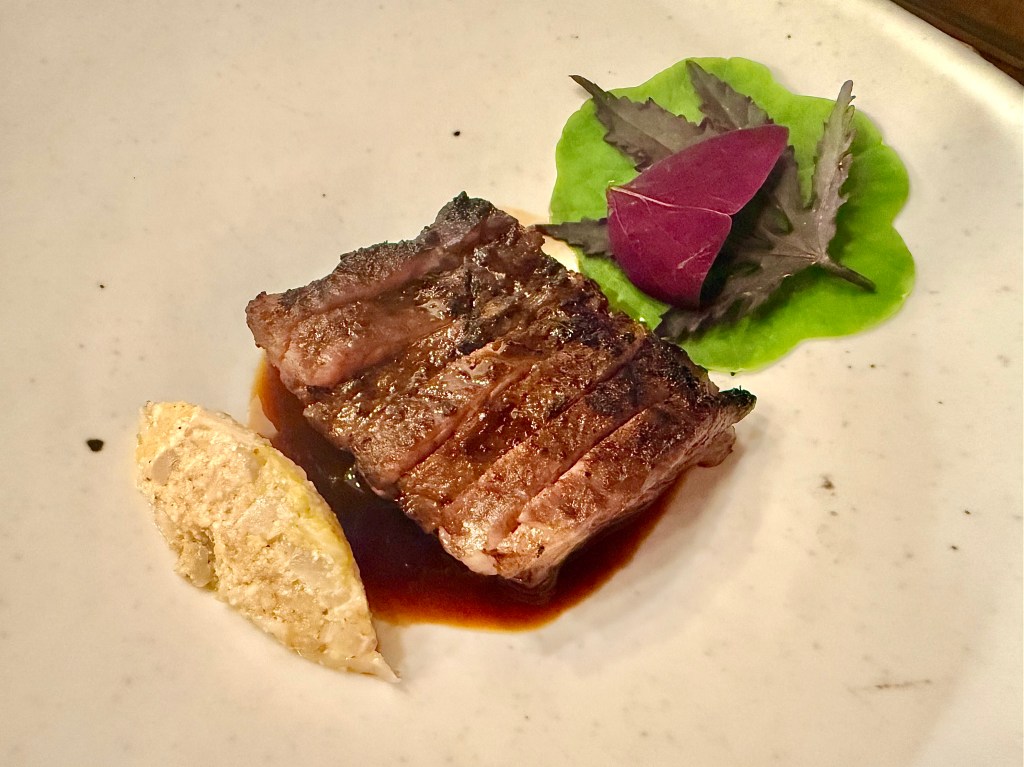
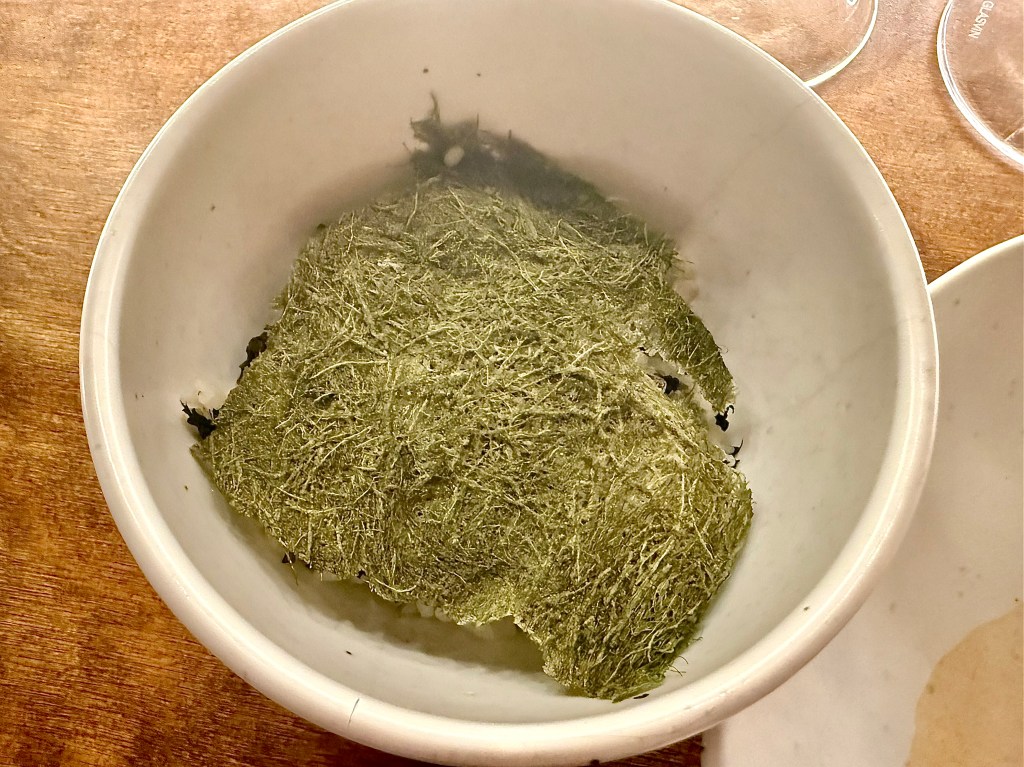
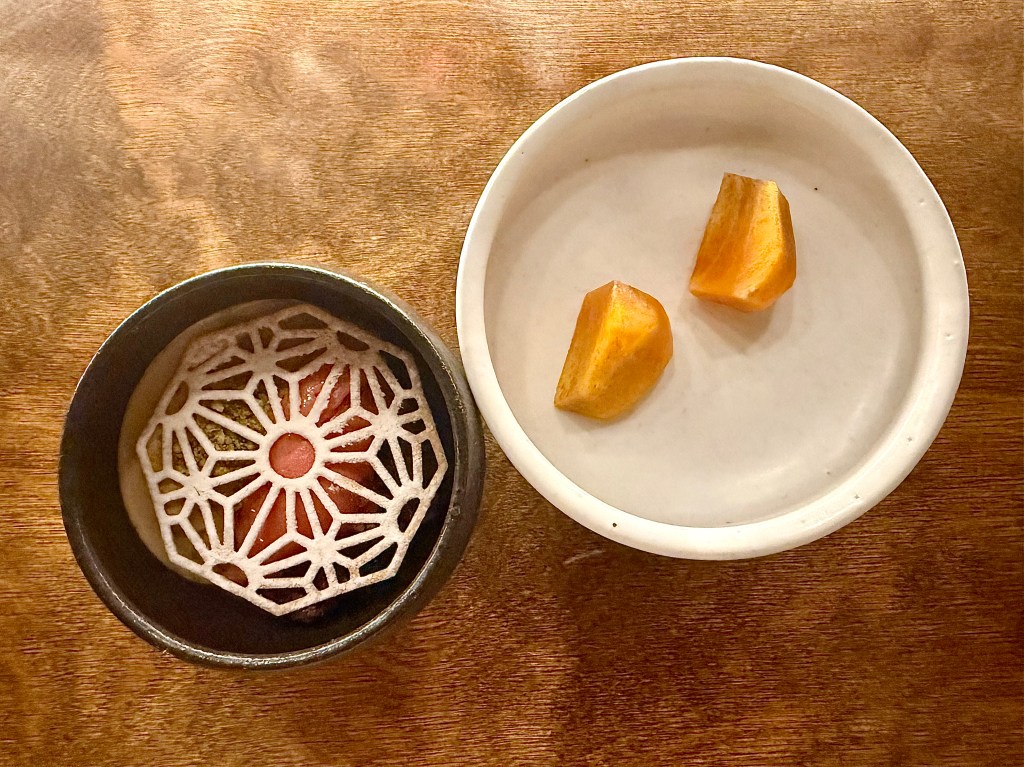
Other dishes, on the other hand, were somewhat predictable. The fried lobster didn’t feel particularly special, and I expected a bit more dramatic effect from the use of papaya and dongchimi (a type of water kimchi) on the soy-braised black cod that was otherwise cooked competently. Jun and I split the two main dishes on the menu. Of the two, I preferred the kimchi brined pork collar with pastrami squash slightly more than the beef short rib ssam. We liked the texture of the meat from both dishes, but having been to a number of modern Korean restaurants before, there was no groundbreaking impression from either of them. What Jun actually liked more was the wild mountain greens rice (with gamtae bugak (think crispy seaweed) that accompanied the main dishes based on the way she finished off the entire bowl. We finished the dinner with a dessert of strawberry, pistachio and makgeolli with a side of persimmon.
Getting a reservation at Baroo was not too challenging although the dining room was mostly filled during our dinner on a Wednesday night. The dark and stylish dining space offered a nice ambiance; if you want to see the kitchen in action, make sure to get a seat at the counter. There are beverage pairing options with wines, Korean traditional beverages or alcohol-free options. I thought the wine pairing we tried (at $100 per person) was nicely designed in a sense that the wines consistently showed the understated elegance designed to pair well with the food even though the food and wine pairing didn’t also strike gold like the pair we had from the jaetbangeo course. Jun and I felt that while the dishes at Baroo were prepared with consistency and thoughtful execution, we would’ve loved the experience at the restaurant even more if we hadn’t been to all these other modern Korean restaurants that blew us away. It still is a solid option if you want to explore upscale Korean dishes at a fairly reasonable price point.
KenScale: 8.0/10 (Jun’s Score: 8.0/10)
Address: 905 E 2nd St #109, Los Angeles, CA 90012
Website: https://www.baroolosangeles.com/
Reservation via Resy
 KenScale