My wife Jun and I often talk about how much exposure to fine dining experience has somewhat desensitized us to culinary stimulation at restaurants over time. Of course, there are still many, many great restaurants that we absolutely enjoyed our experience, but at some point, we couldn’t help but ask each other, “Hey, didn’t we have something similar to this dish at restaurant X?” That feeling also applied to our experience with Korean dining experience. With our Korean heritage, I admit we have been perhaps much more demanding on the standard at Korean restaurants, and that’s why places like Atomix in NY still amaze us with the kitchen’s innovation to bring Korean cuisine forward in the modern age. On the other hand, we also noticed that there have been plenty of modern Korean fine dining restaurants with a familiar formula of ingredients and dishes, helmed by chefs training in Western kitchens. In that respect, Jun and I were very intrigued to see what our lunch at Onjium in Seoul would be like. Headed by a chef duo of Cho Eun-hee and Park Sung-bae, the restaurant’s dishes seem to skew decidedly more traditional compared to the modern Korean restaurants we had been to. I am happy to report that Onjium was by far the best restaurant we had been to during our Korea trip last month.
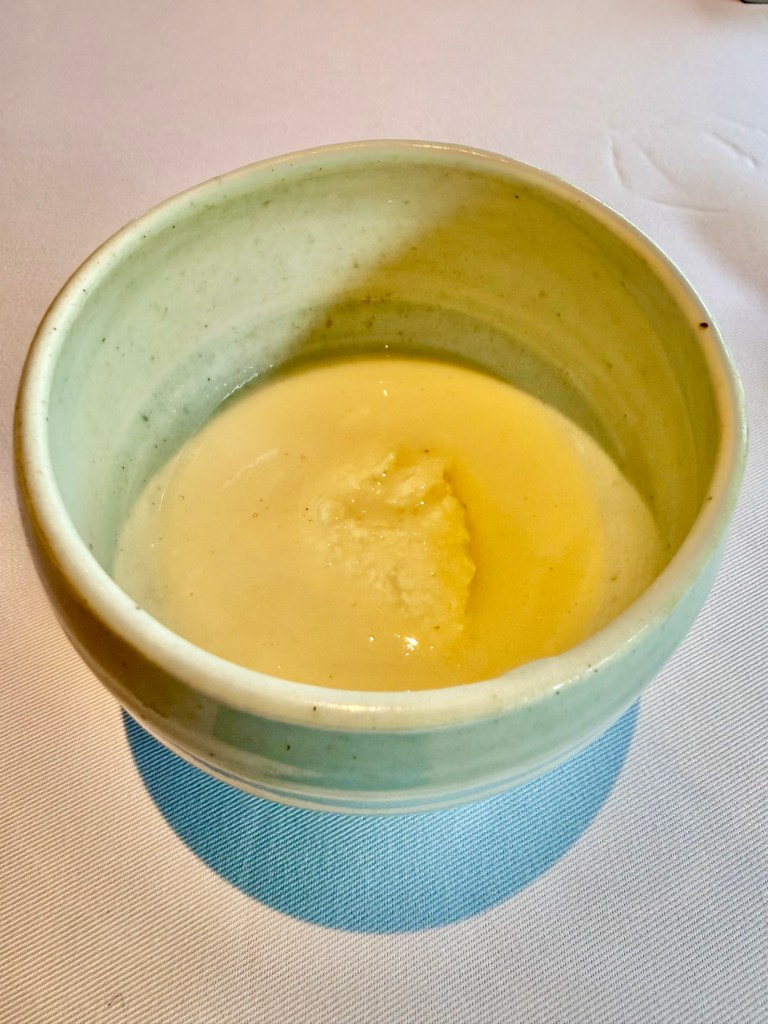
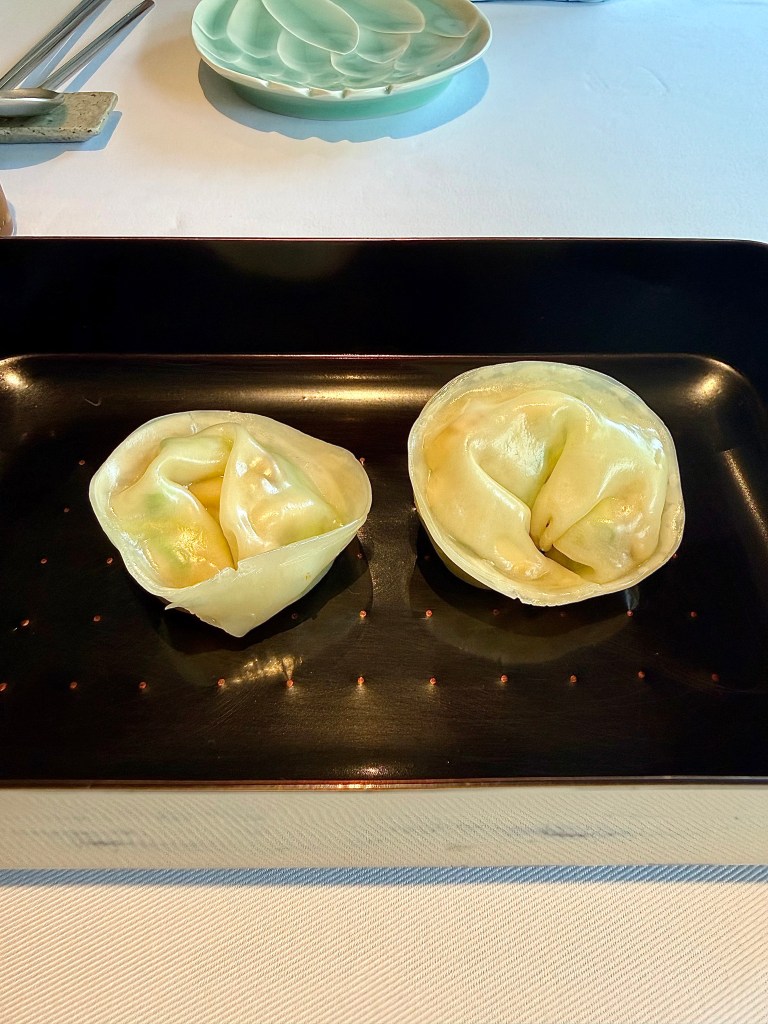
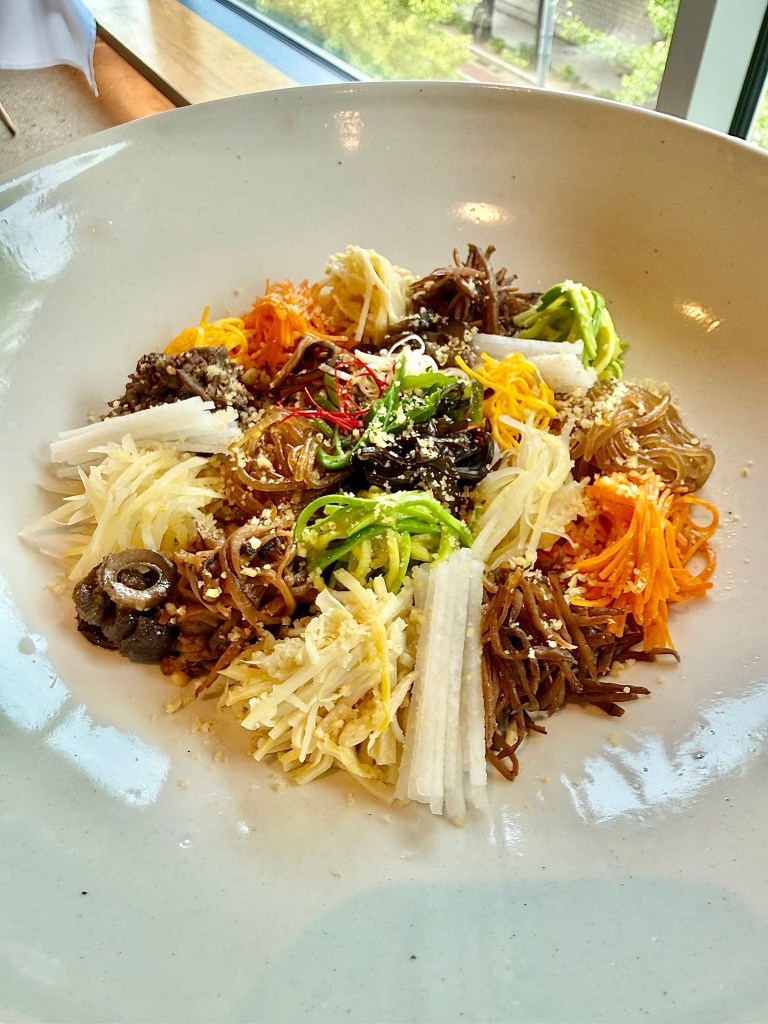
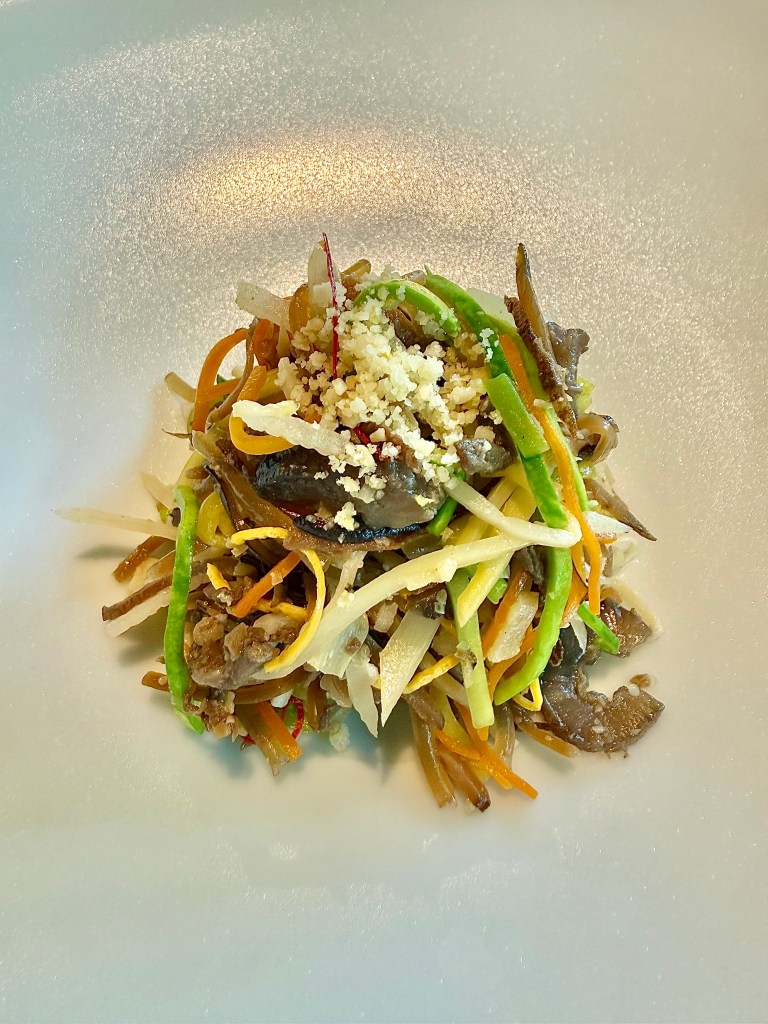
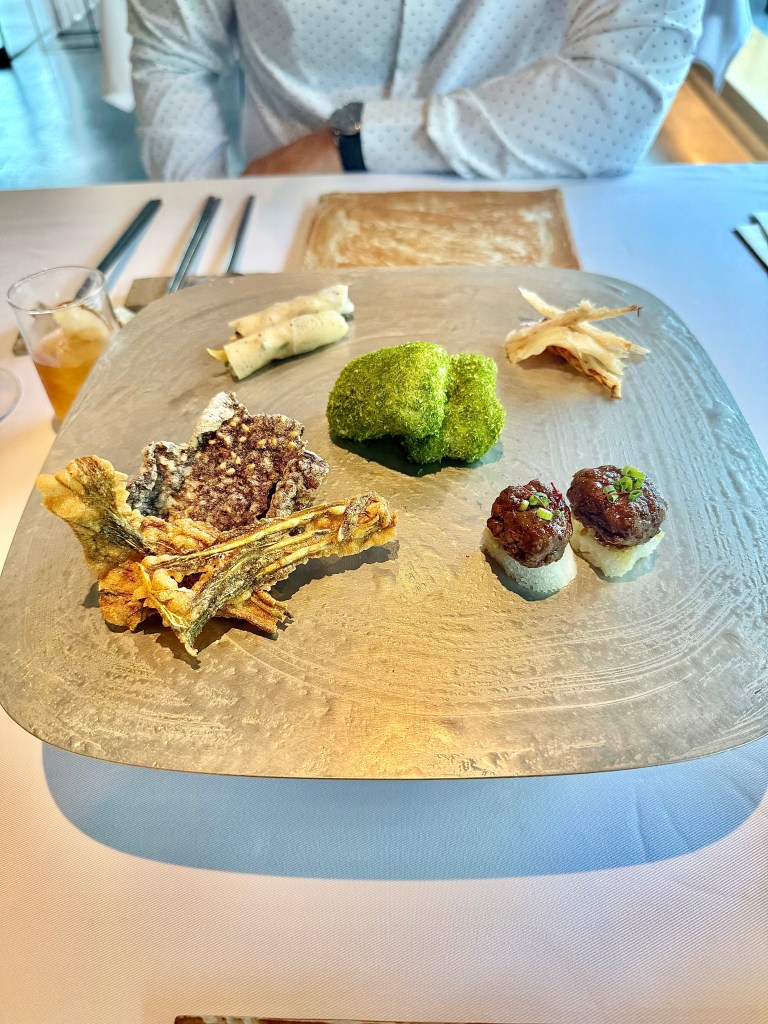
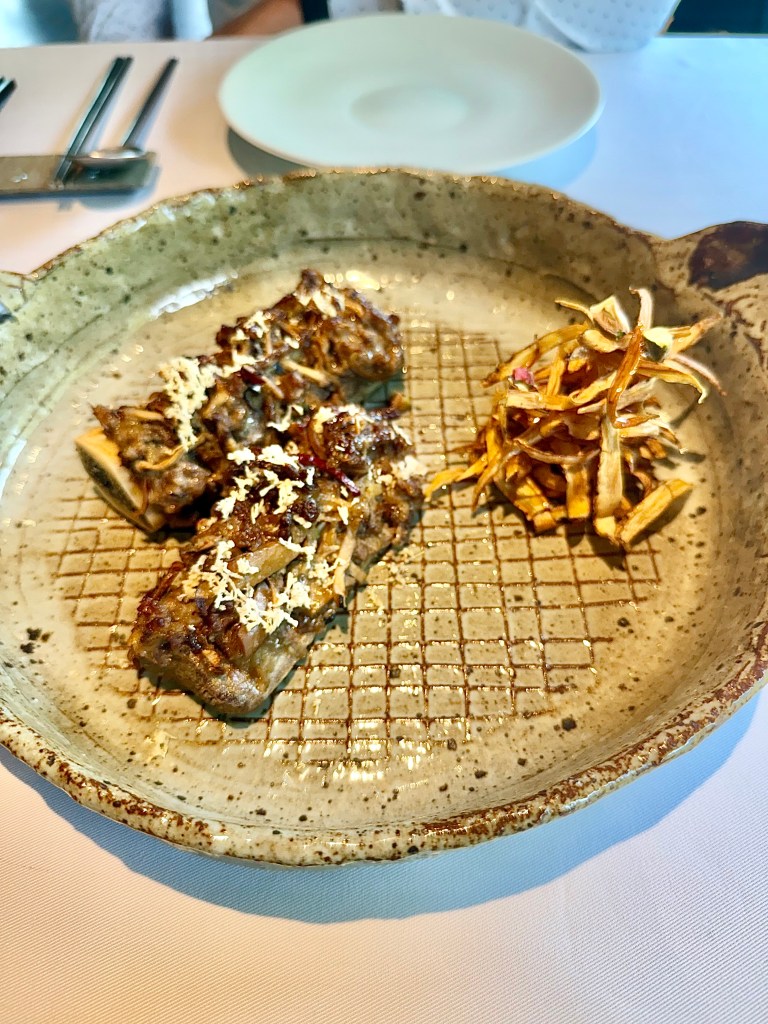
Almost all of the dishes from Onjium’s lunch menu (at a very reasonable 200,000 won or around $150 per person) looked familiar from our childhood experience. Sure, we had plenty of mandu growing up; but there was just something extra special from the dumplings with fillings from pine mushroom and squash and restrained flavor. Jap chae, a dish of stir-fried glass noodles with vegetables and sometimes meat, is one of the more popular Korean dishes but I never quite got into the glass noodles, especially when they came out a little too oily. Onjium’s kitchen somehow worked their magic and brought out the best jap chae I would have in my lifetime, with clean flavor and fresh ingredients (an assortment of vegetables plus sea cucumber) that made my wonder whether I had been eating the wrong jap chae the whole time. One of my favorite dishes growing up was galbi (short rib), but I don’t recall ever eating one based on the method in Jin Ju, a town in southeastern region of the country. The charcoaled rib couldn’t be more tender and the smoky flavor was just out of this world! Accompanied by fried burdock whose texture perfectly complemented the tender meat, it was one of the best dishes I had had this year.
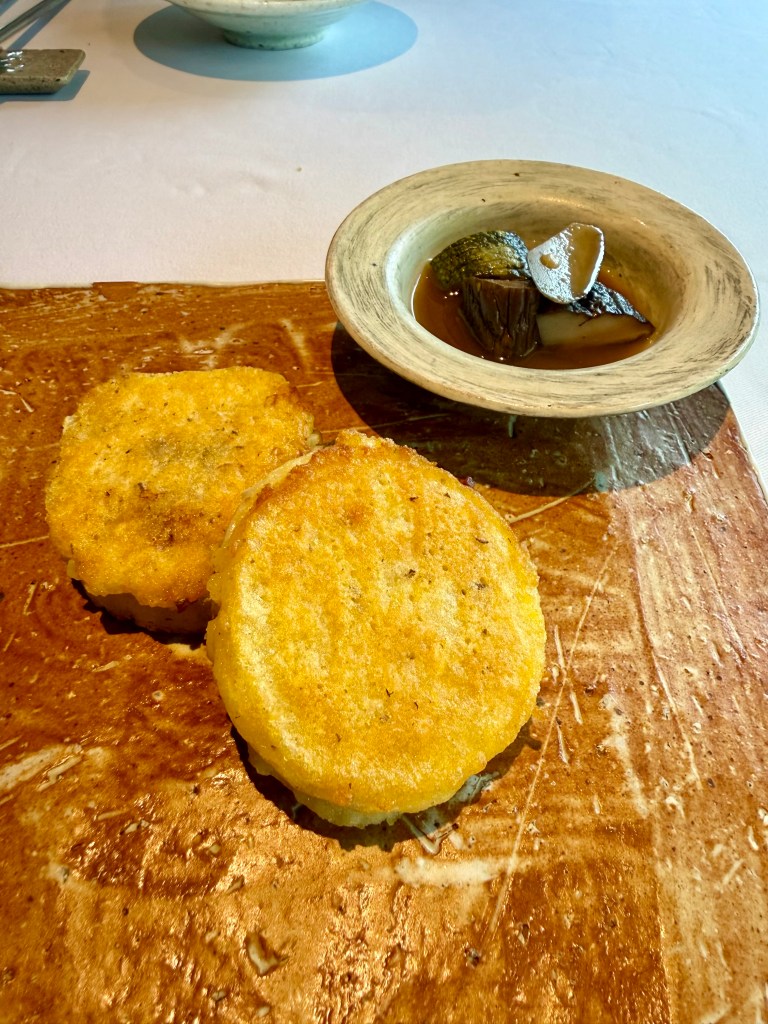
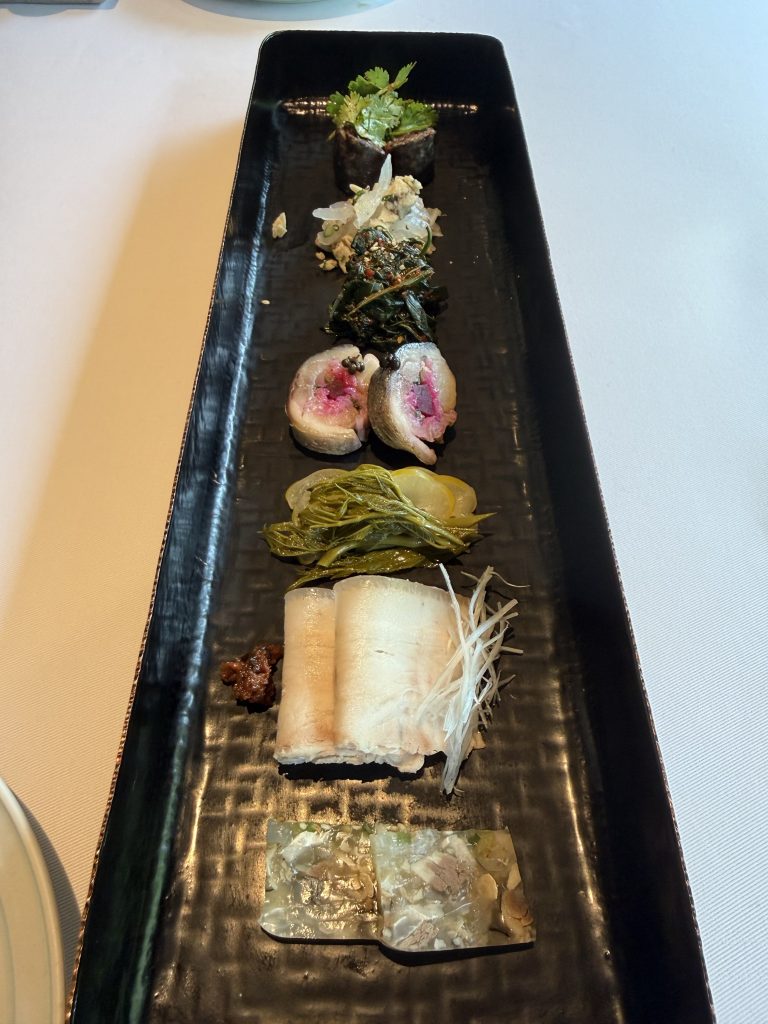
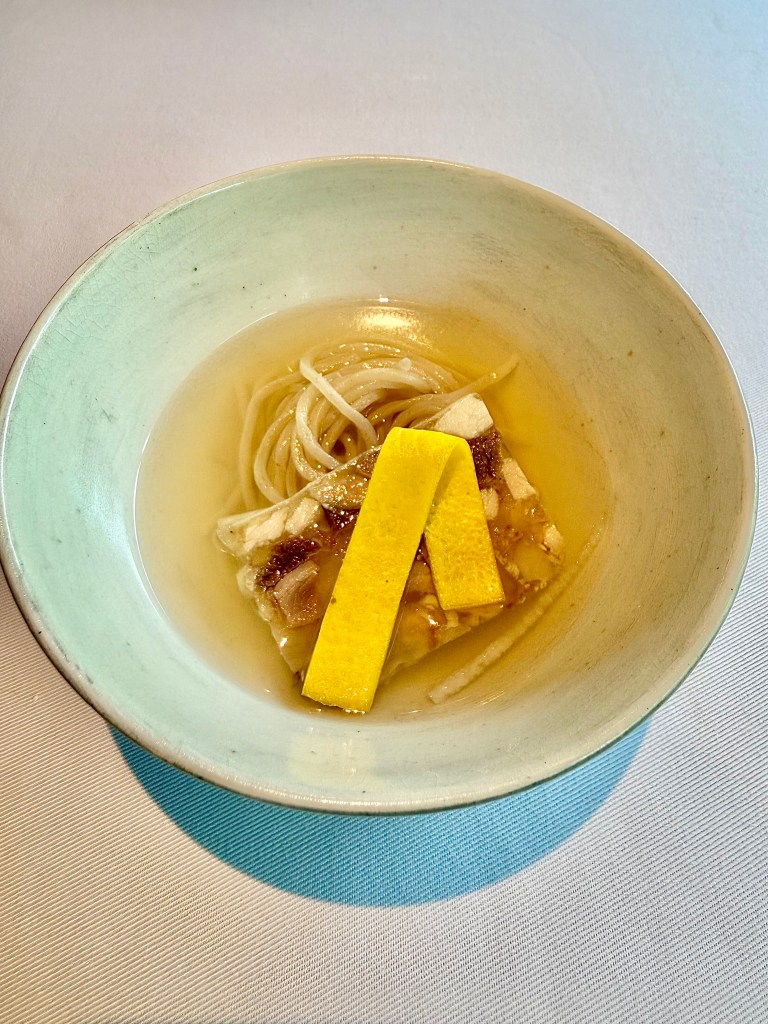
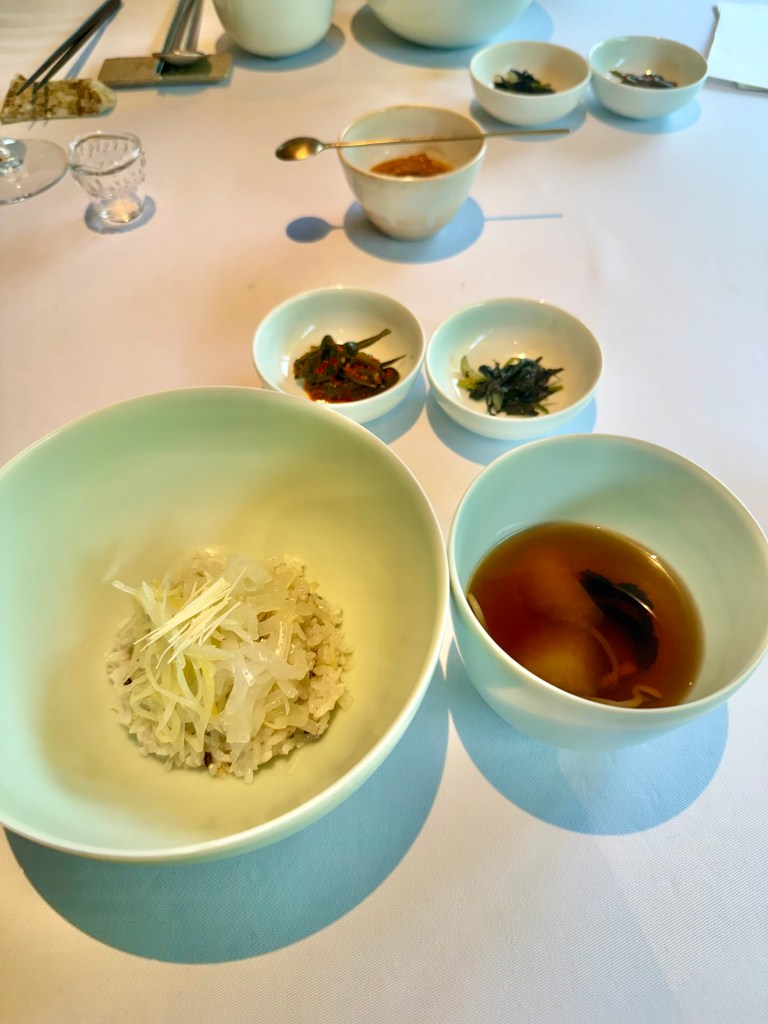
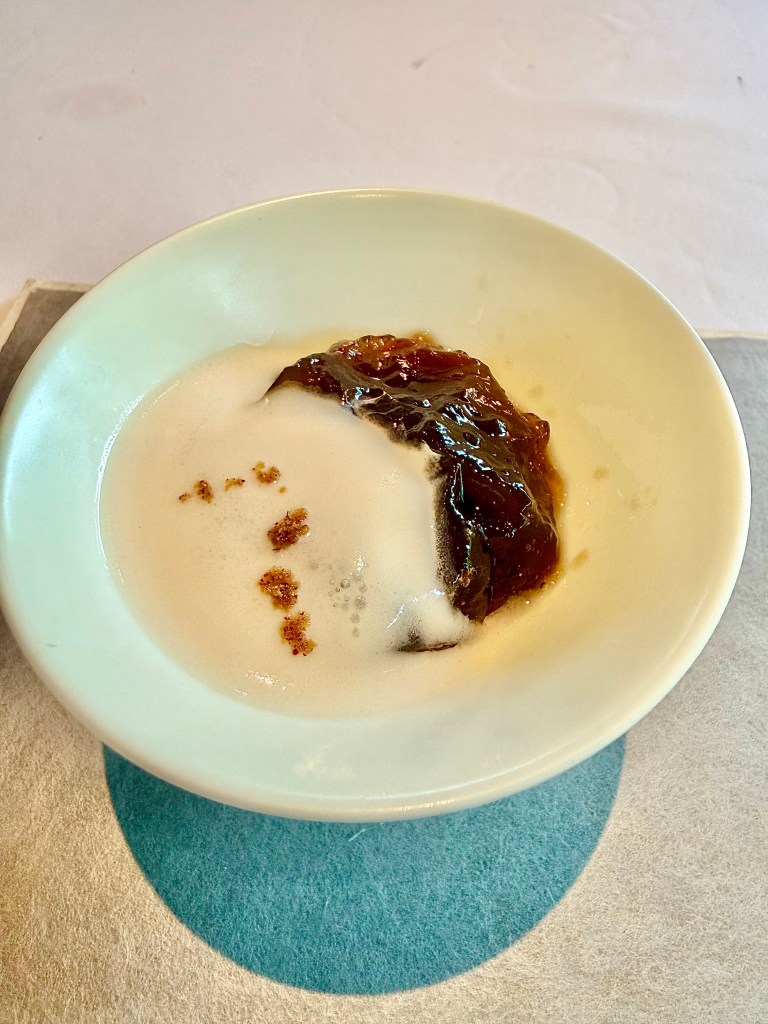
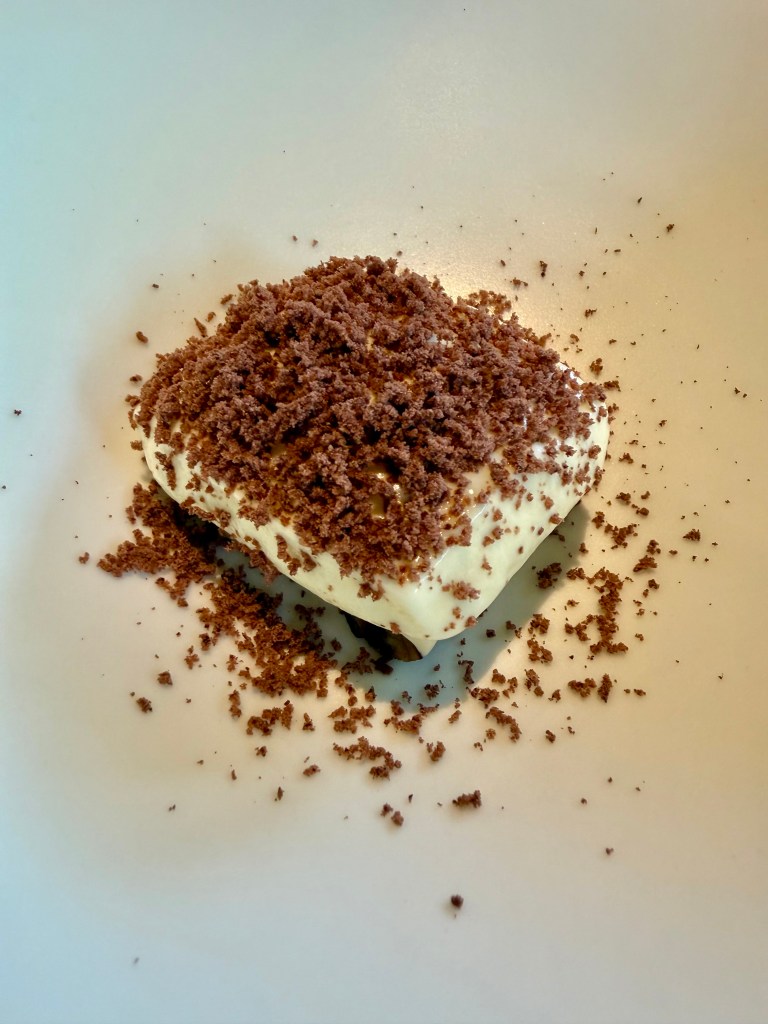
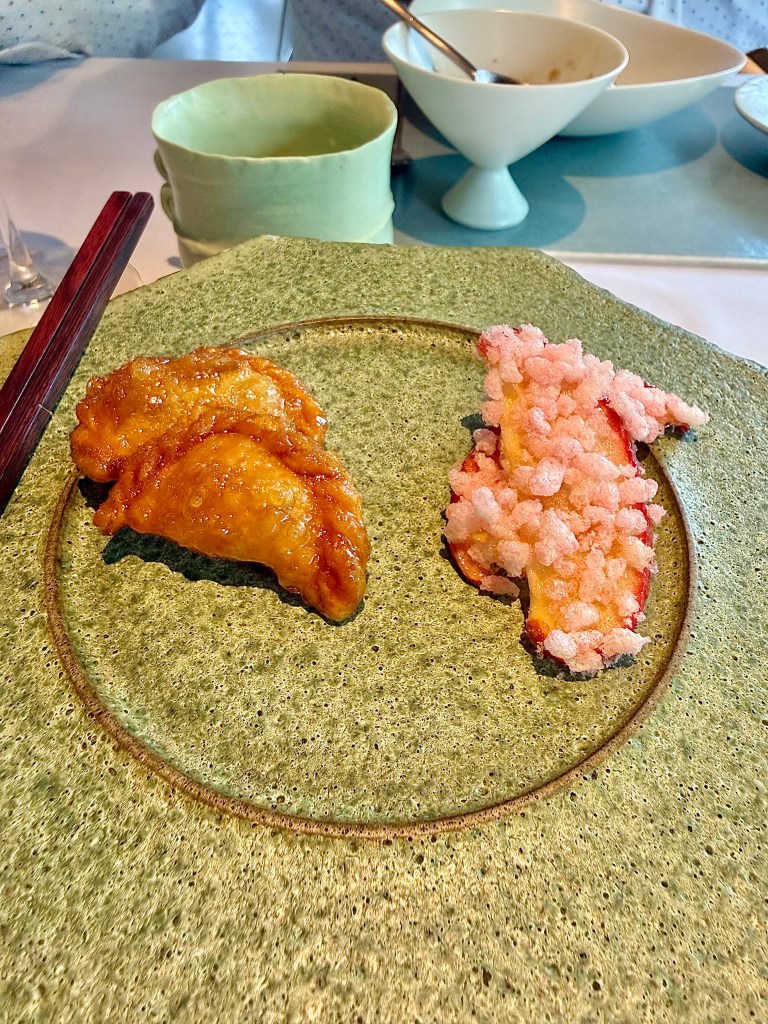
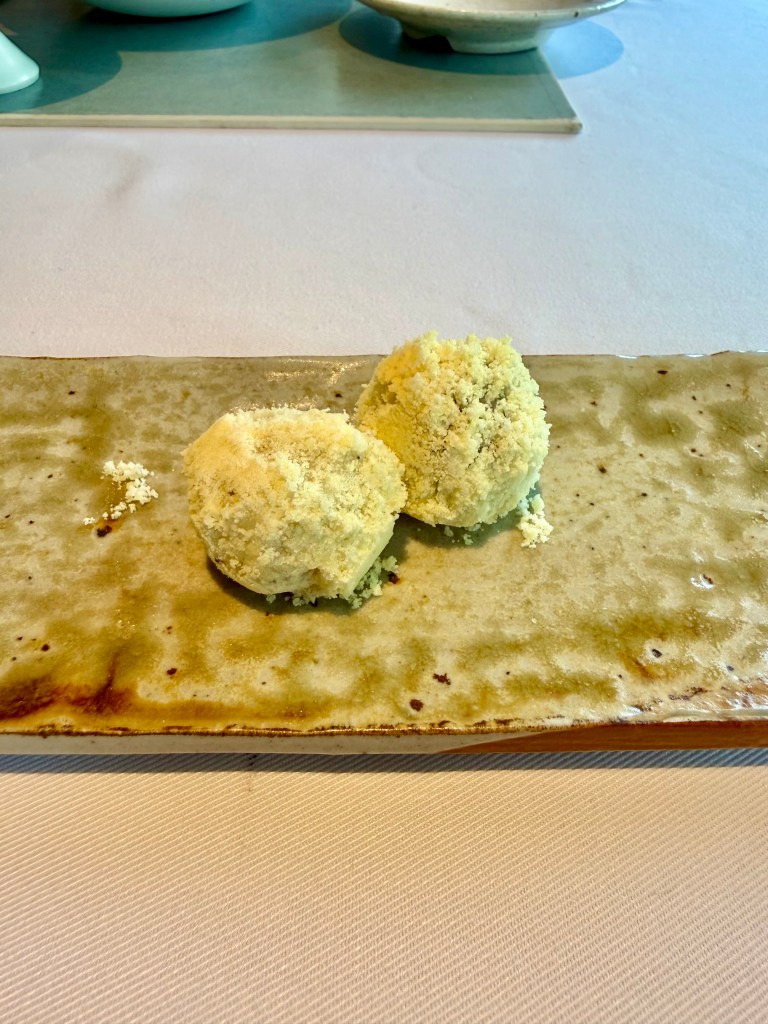
By the way, the written lunch menu may look a little bit short but there were plenty of snacks (jujeonburi in Korean) that came in between the courses. We greatly enjoyed a variety of different bites incorporating ingredients like bugak (deep-fried seaweed), gamtae (a type of brown algae that has become increasingly popular in Korean fine dining restaurants), min-eo (a type of fish what was in season during our time in Korea) and chamoe (Korean melon). I don’t recall every trying naengmyeon cold noodle dish with pheasant meat inside and the kitchen again impressed me with how delicious the bowl was, creating jokpyeon (a jelly-like dish usually made out of cow or pig parts) using pheasant instead. The savory part of the lunch ended with a seasonal assorted rich dish (baek hwa ban) with various vegetables and a soup of dashima kelp and neungi mushroom, another dish that displayed refined, clean flavor that kept growing on me. The main dessert was no less impressive. The kitchen wanted to show its version of the beloved Italian dessert tiramisu using red bean-based rice cake (pat siru tteok), and it was another astoundingly delicious dish; I knew instantly how special this dish was the moment Jun exclaimed “How did they come up with this?” Other smaller desserts were also pure delight, like dried and candied apples coated with puffed rice and a bowl of condensed grape and dates. By the time we walked out of the restaurant, Jun and I were completely spellbound by Onjium’s magic.
Onjium is only open on Tuesdays through Fridays (lunch and dinner), and of course it is one of the most popular restaurants in Seoul so securing a reservation will take some efforts on the reservation website CatchTable. We were fortunate to secure a lunch reservation through a foodie friend in advance. Located across the Gyeongbokgung Palace, the restaurant’s dining space with a blend of traditional and modern aesthetics was also quite a showstopper, especially with the open kitchen in front of all the tables. We also got a wine pairing which was equally memorable, featuring wines from relatively unknown producers that I found very well-suited to the food. The restaurant collaborates with a champagne producer Vincent Charlot to feature its own champagne (created with the restaurant’s own rice wine samhaeju into the dosage), and the samhaeju (in turn made in collaboration with Vicent Charlot) was so fabulous with a wonderful marriage of fresh white orchard fruits and nutty, umami character that I ended up buying a bottle to take home. At the end of our lunch, we had a chance to briefly talk to both chefs; they were equally lovely persons who were sincere in their belief in how much Korean cuisine can shine in the global stage but with eagerness to constantly learn and improve on their craft. Jun essentially begged them to come visit the U.S. for a collaboration dinner one day. I can’t recommend Onjium enough as a dining destination in Seoul. Especially for those like Jun and I who are familiar with the more Western-accented Korean fine dining convention, it will offer a wonderfully refreshing perspective showing that there is plenty to surprise you from the familiar side of Korean cuisine. I don’t know next time we will visit Seoul in the future, but Onjium will certainly be one place that we will re-visit no matter what.
KenScale: 9.0/10 (Jun’s Score: 8.75/10)
Address: 49, Hyoja-ro, Jongno-gu, Seoul, Korea
Website: https://www.instagram.com/onjium_restaurant/
Reservation via CatchTable (Korea’s online reservation app)

